

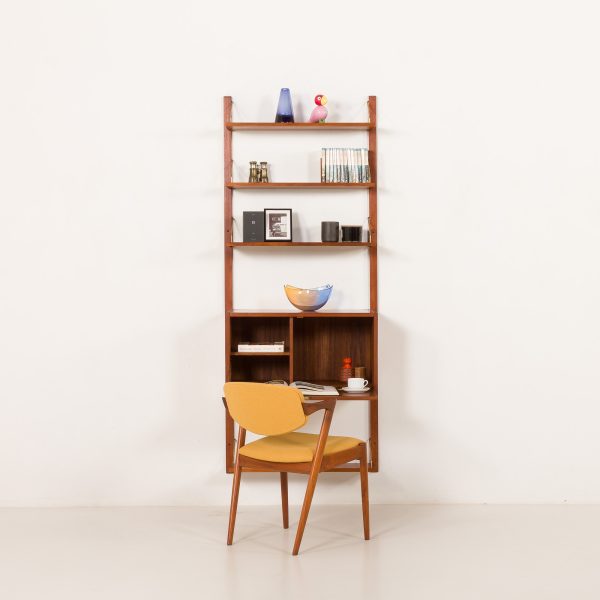
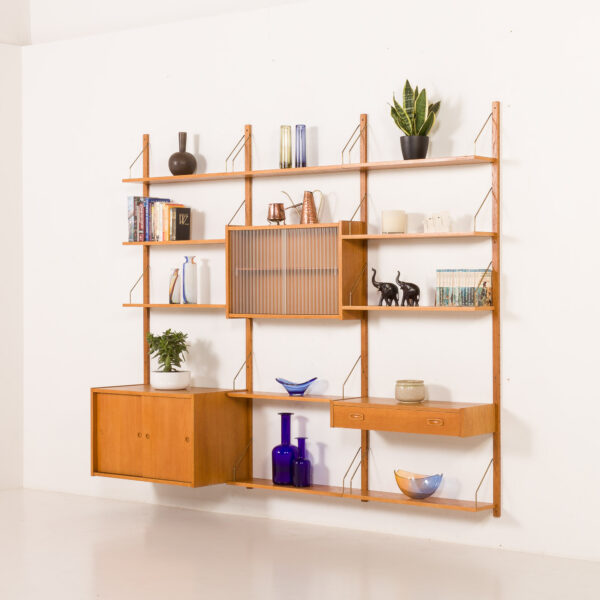
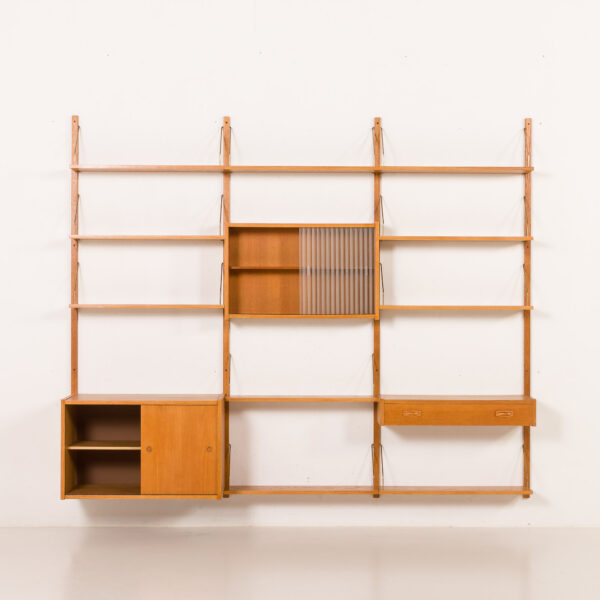
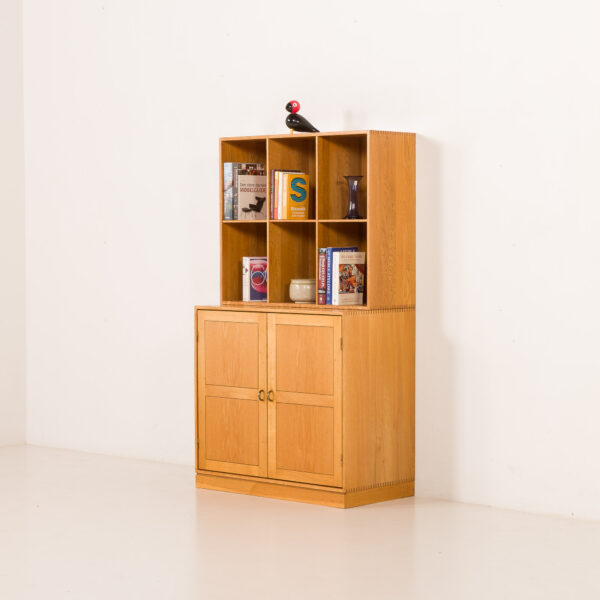
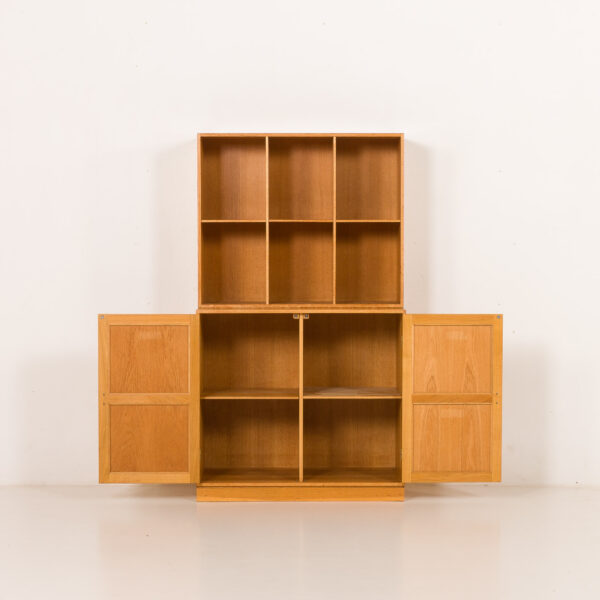
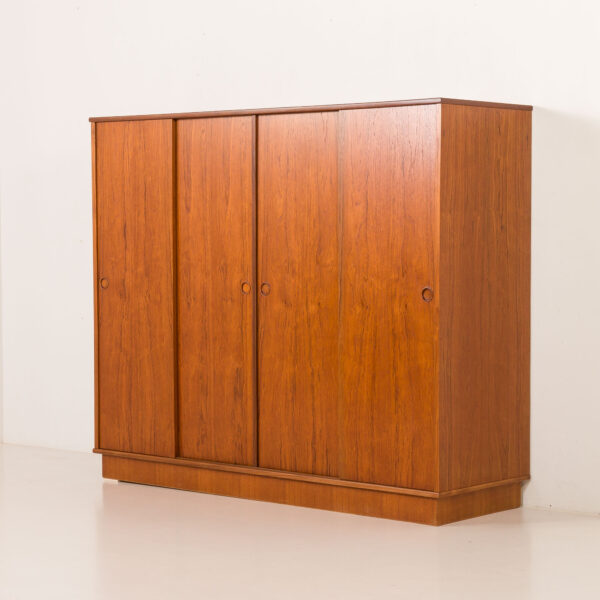
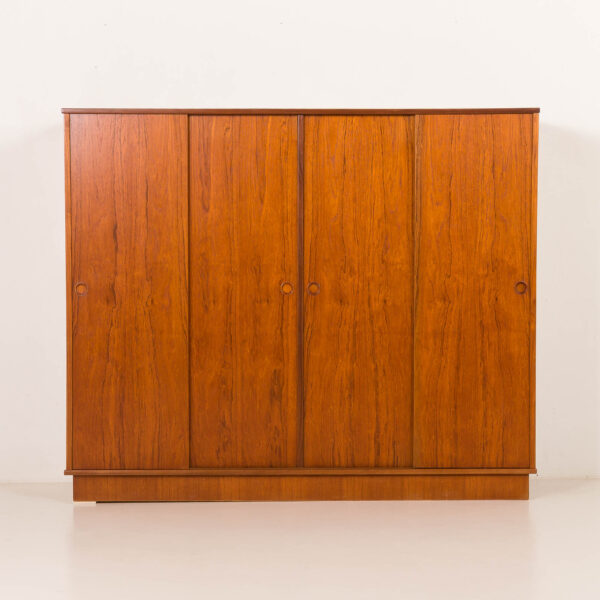
 Scandinavian teak wall unit with a secretaire, in a style of Poul Cadovius, 1970s
 70s design
A Bold Revival of Retro Design
The 1970s interior style is all about freedom, self-expression, and bold combinations of colour, texture, and shape. This decade is defined by earthy tones like orange, mustard, and brown, playful patterns, organic forms, and plastic furniture. Nature-inspired elements – such as warm wood, shaggy rugs, and rattan accents – bring comfort and character to any space.
At Futureantiques, you’ll find authentic 1970s vintage furniture and decor that perfectly suit today’s interior trends – from retro modern to eclectic boho. Explore original lounge chairs, lamps, coffee tables and accessories from the era to give your home a distinctive vintage feel.
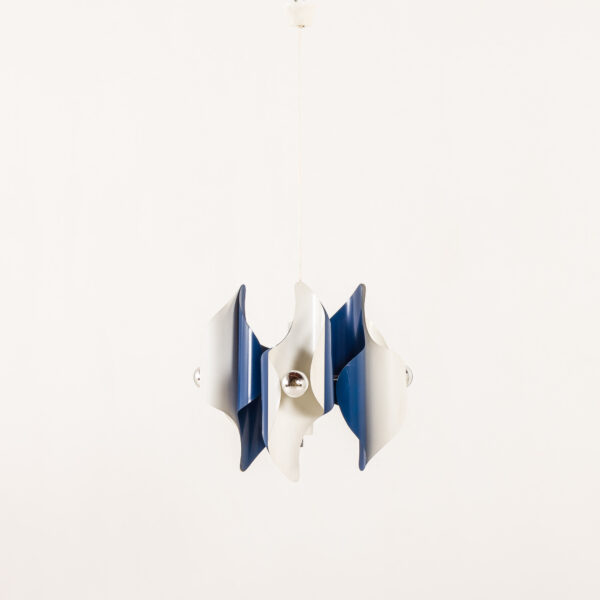
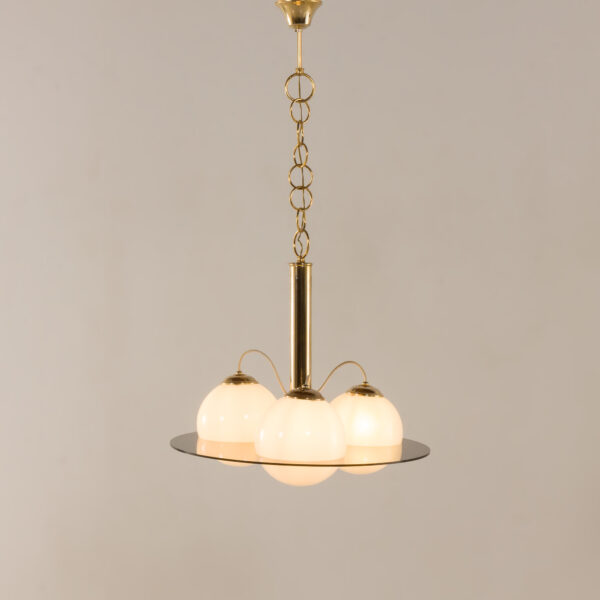
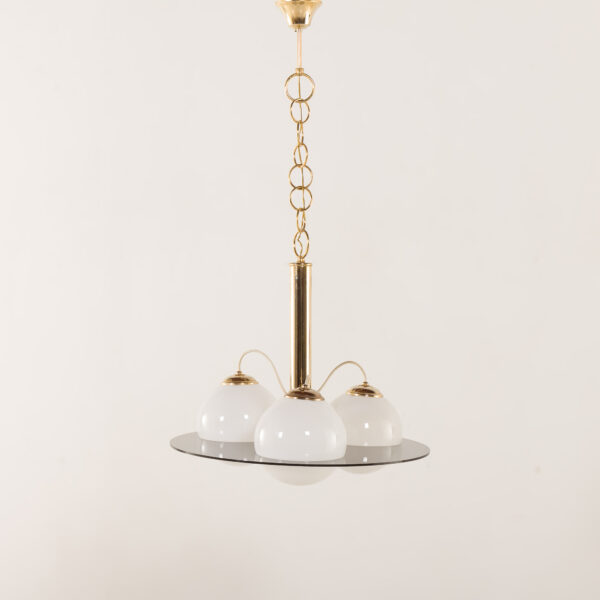
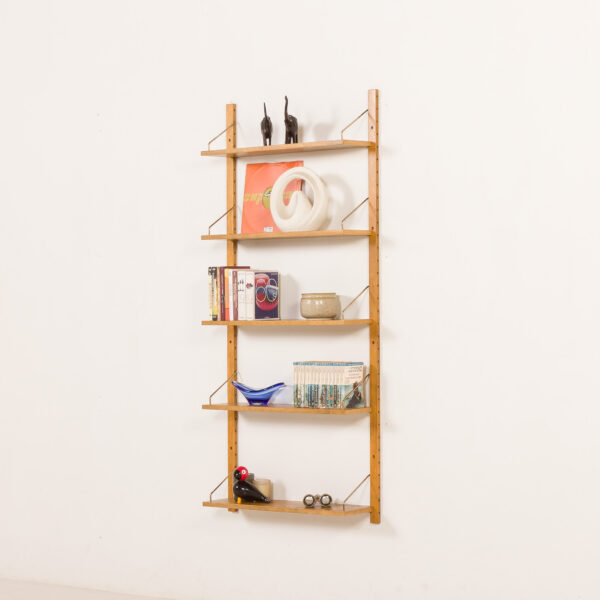
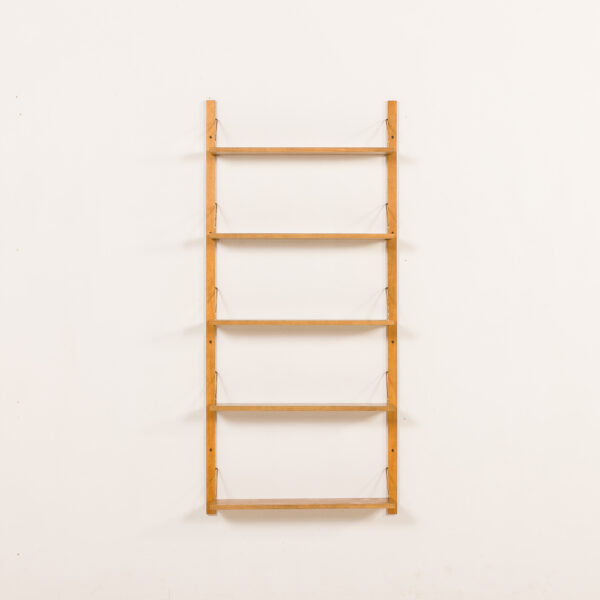
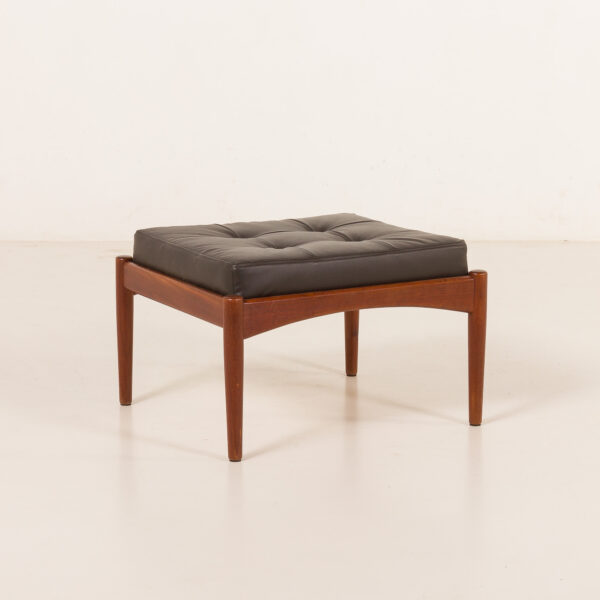
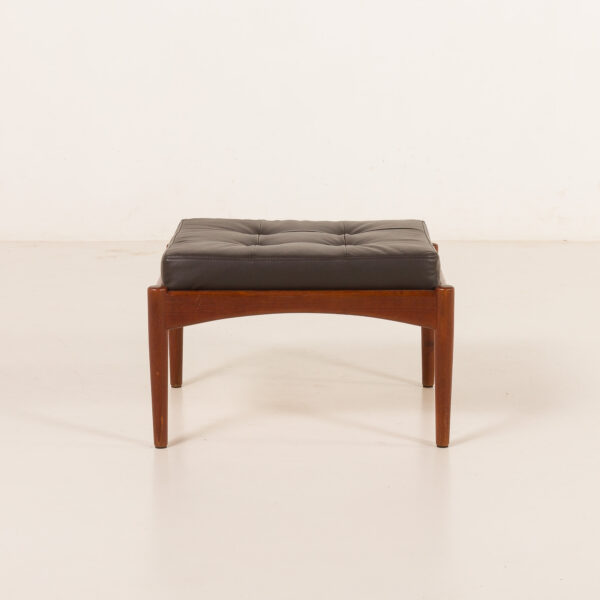
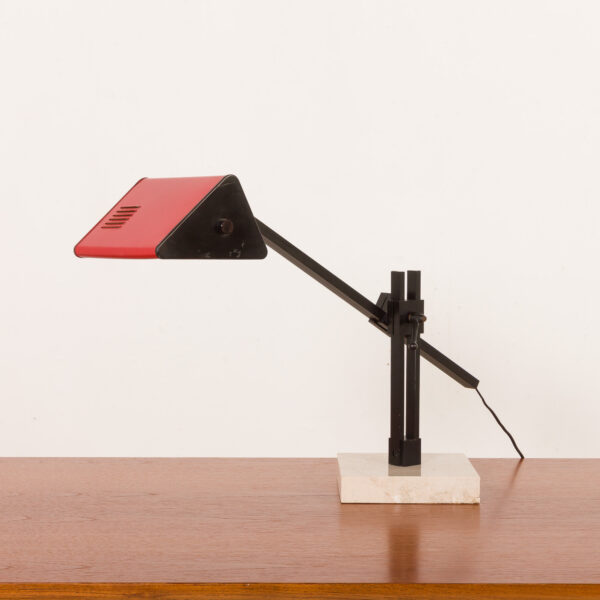
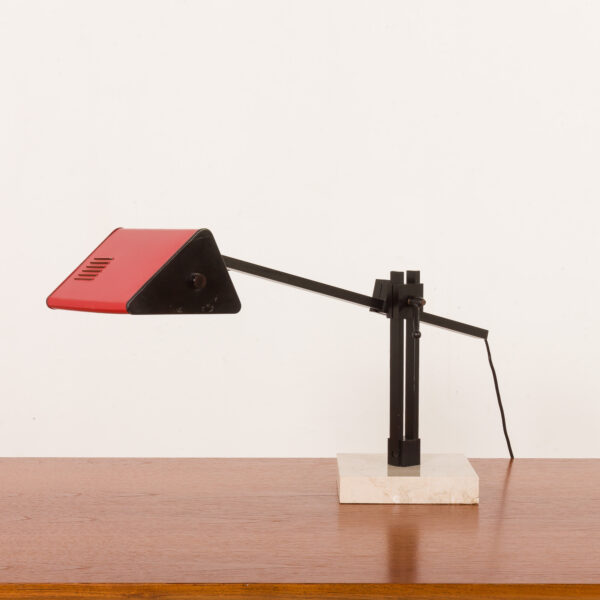
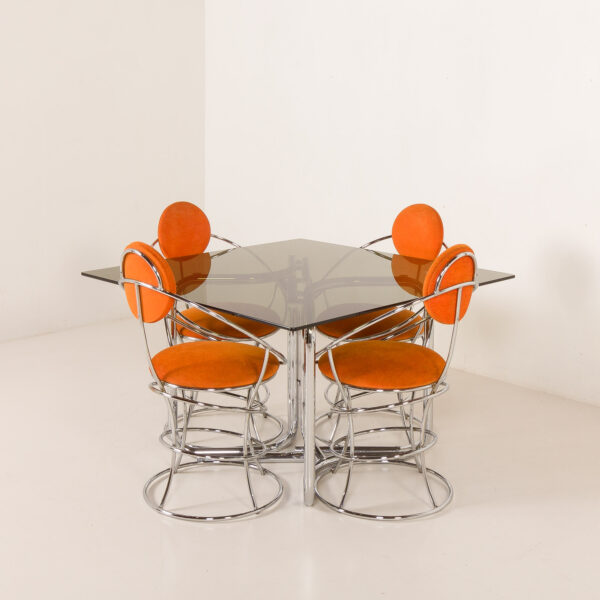
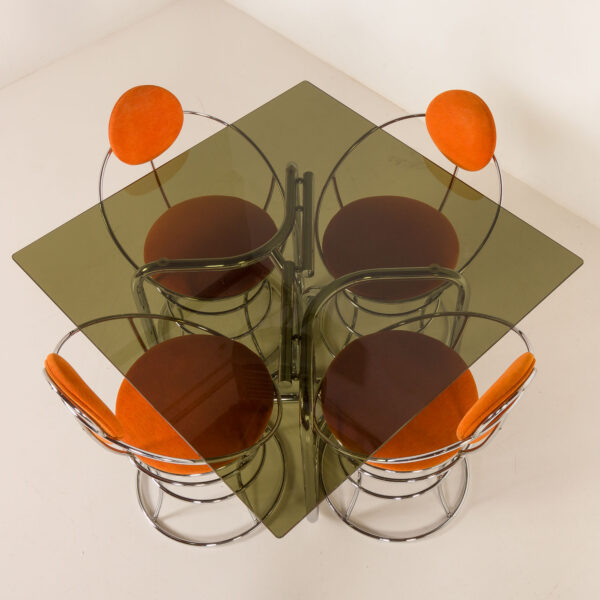
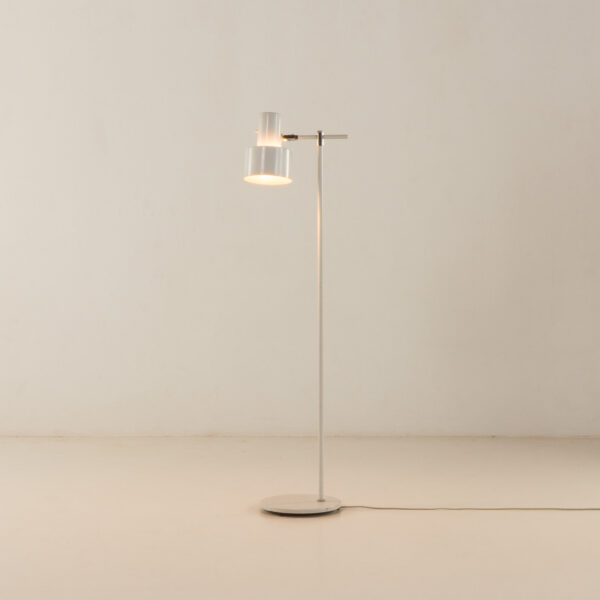
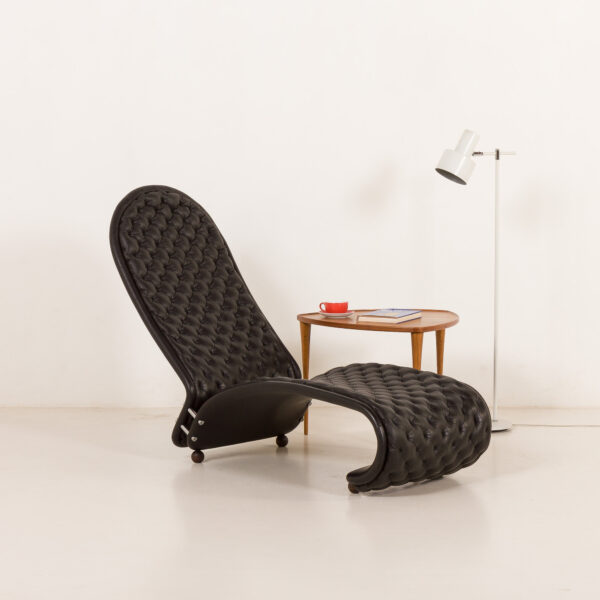
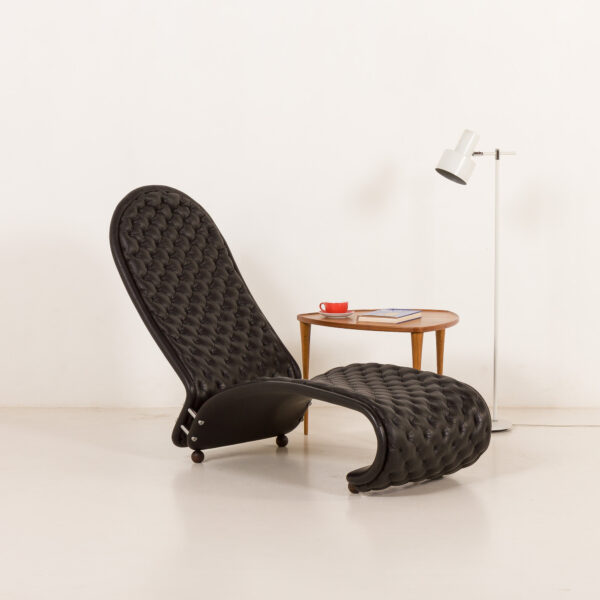
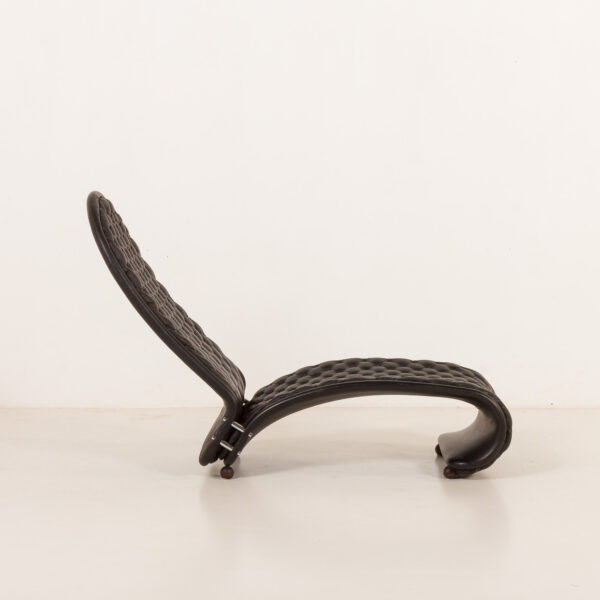
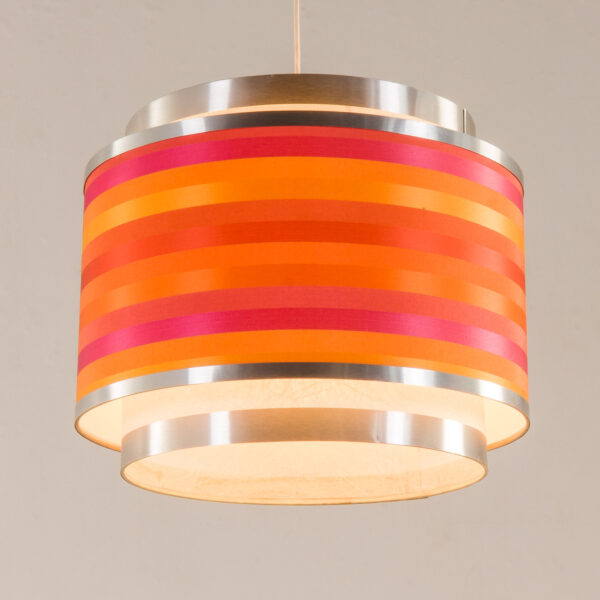
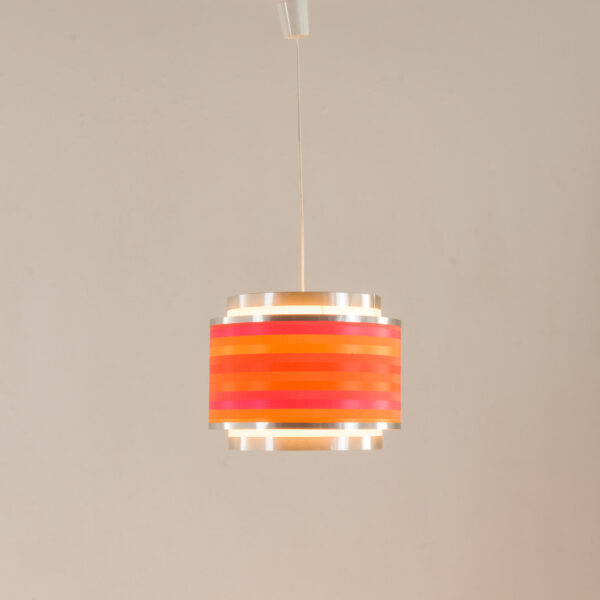
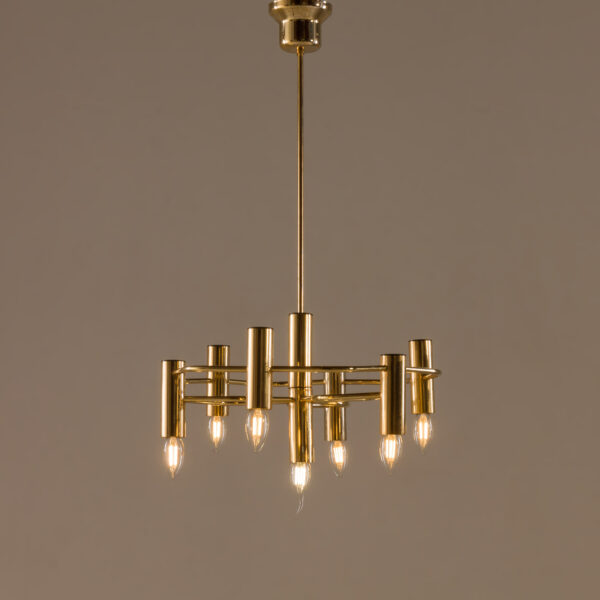
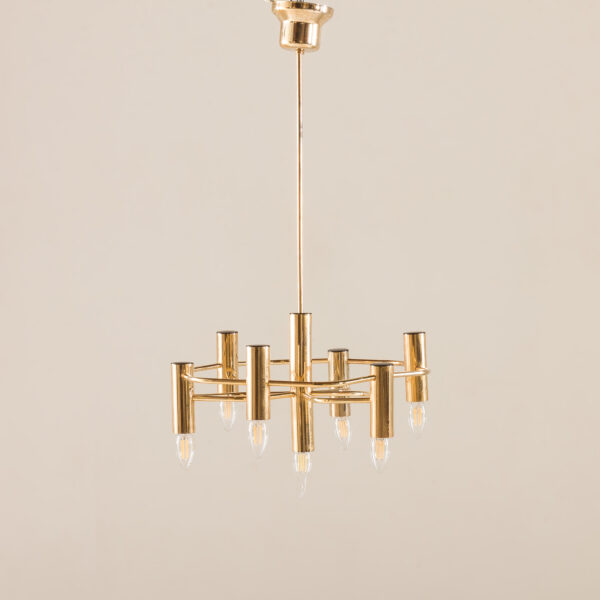
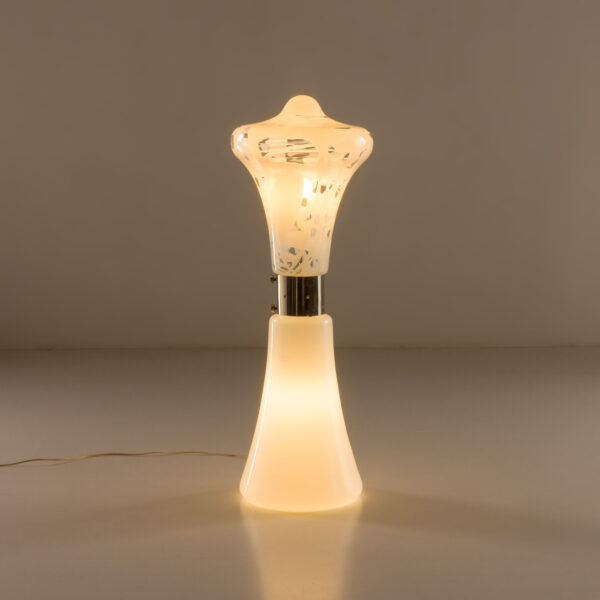
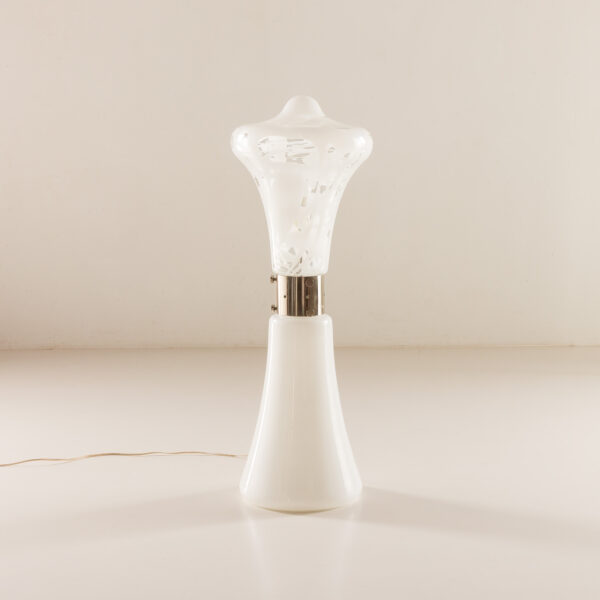
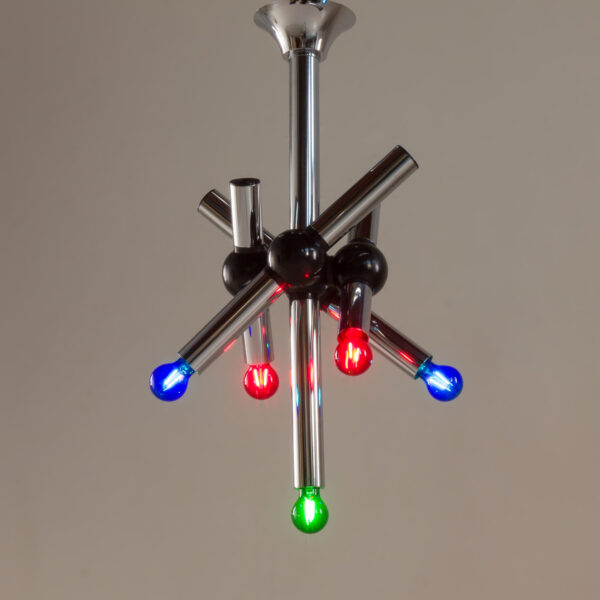
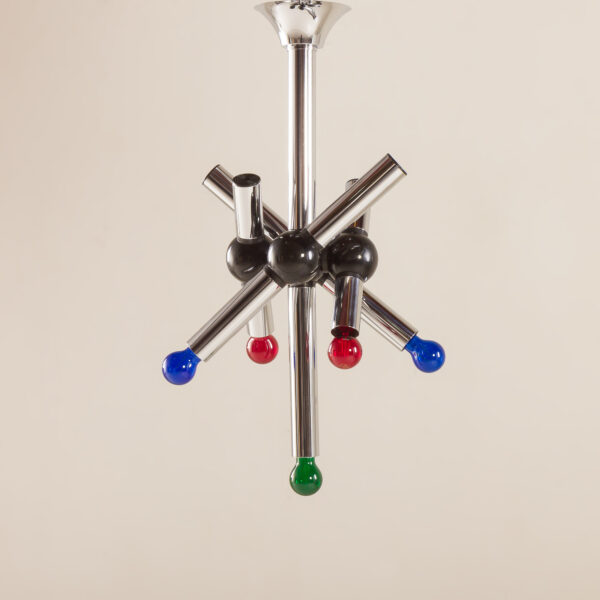
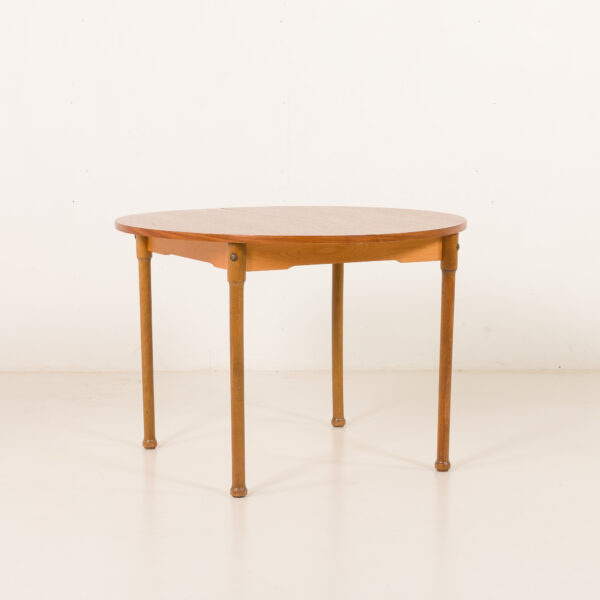
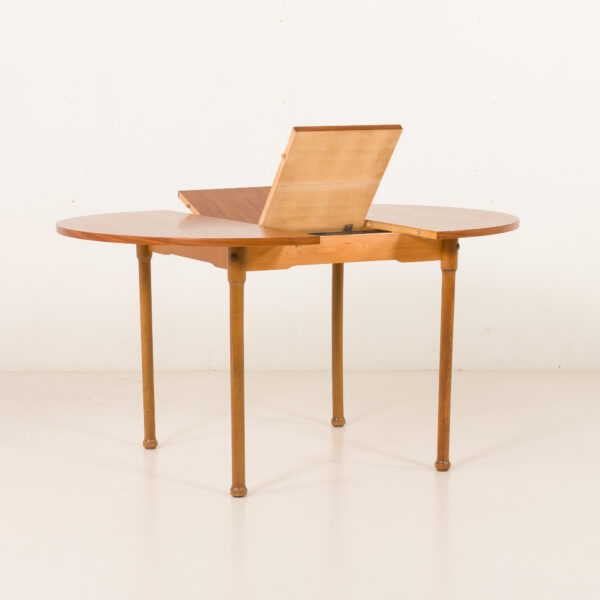
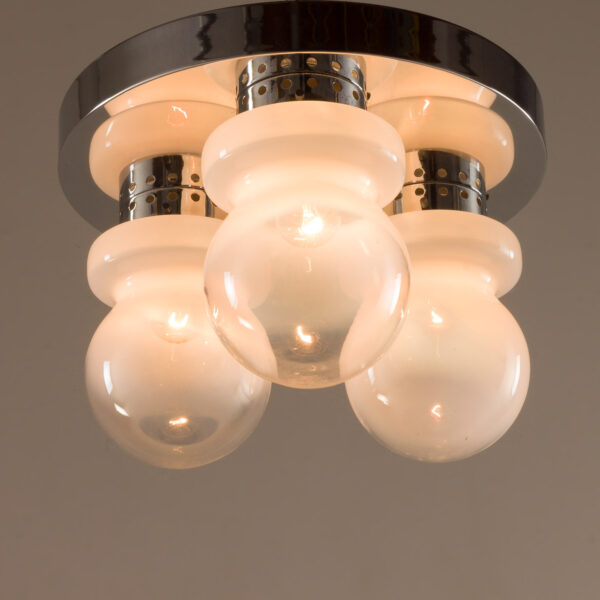
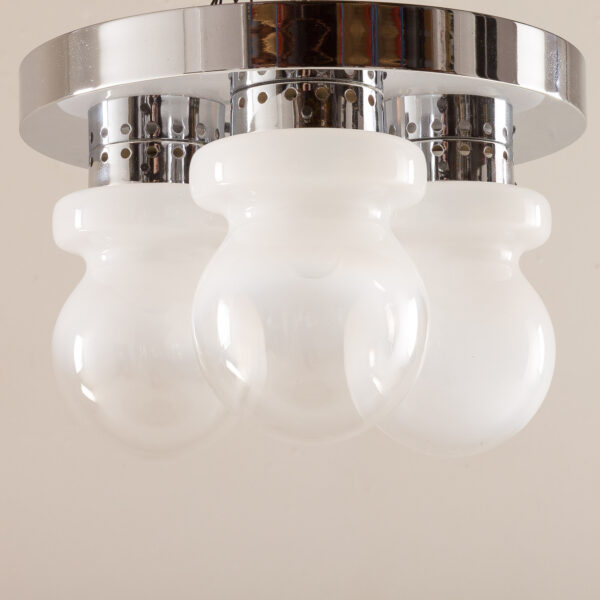
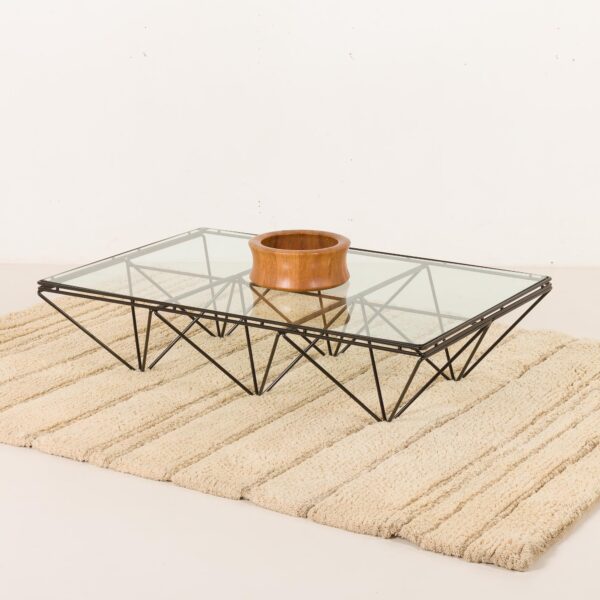
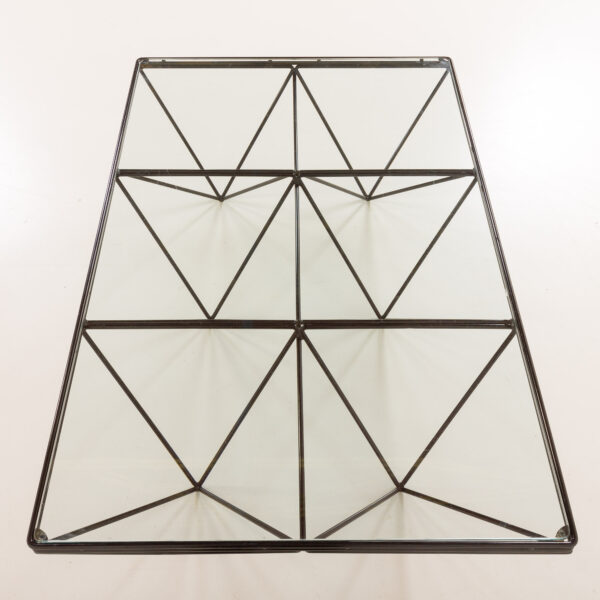
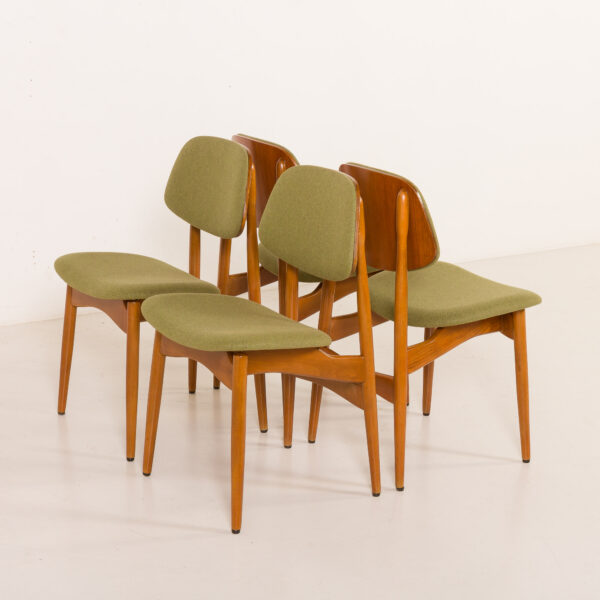
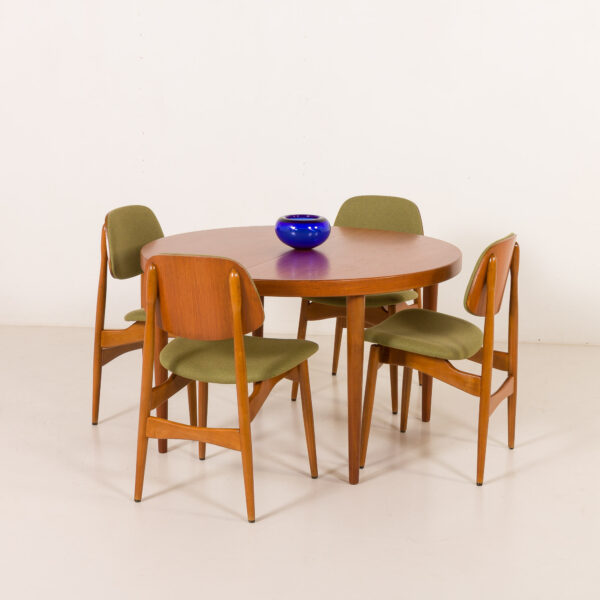
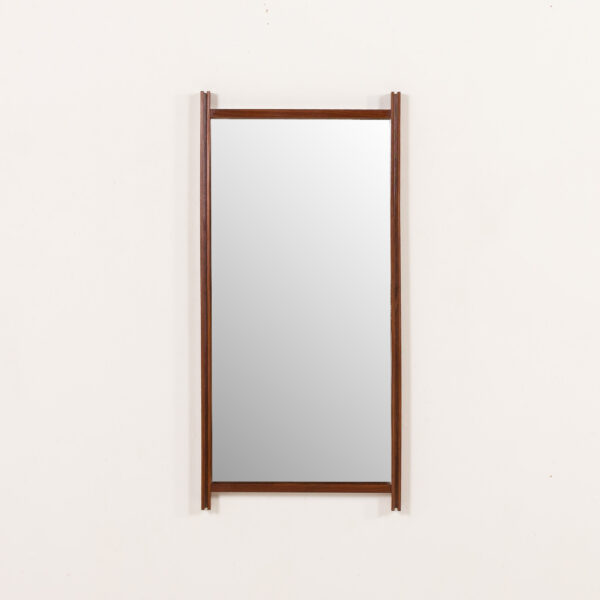
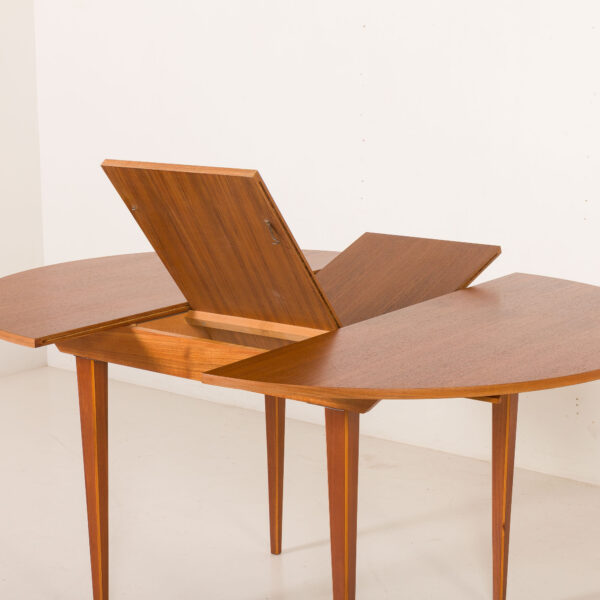
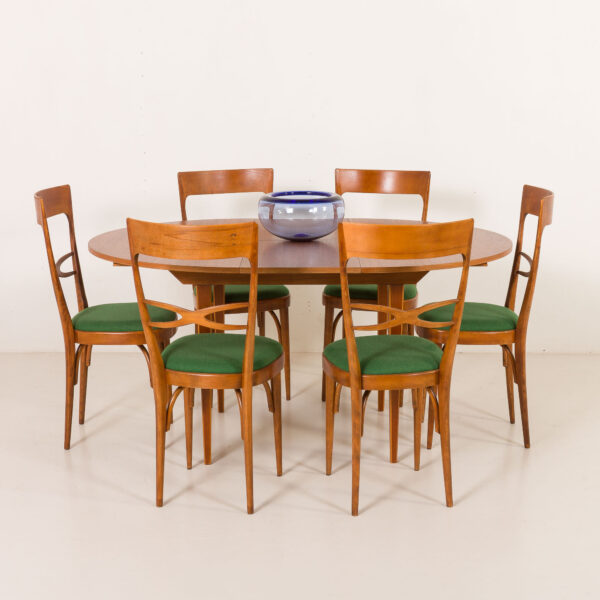
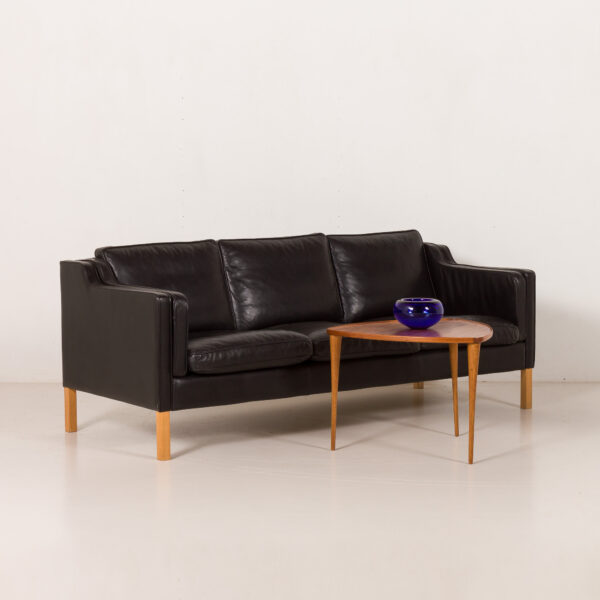
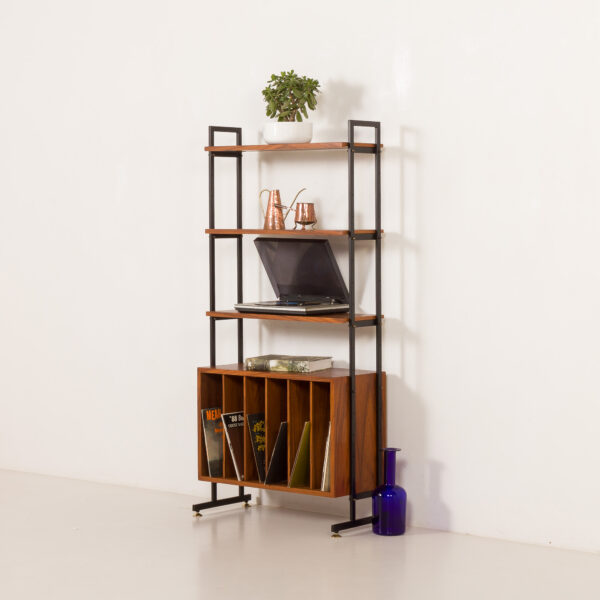
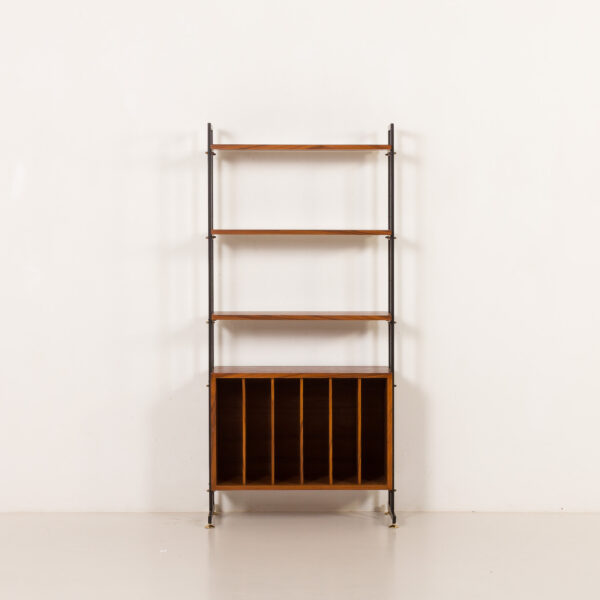
Furniture of the 1970s
The 1970s were a decade of transformation — the oil crisis brought the era of cheap plastics to an end and initiated a return to natural materials. In furniture design, this meant a renaissance of teak and oak, while maintaining the experimental spirit of the decade. It was also the period when the concept of open-plan living emerged, revolutionizing the way residential space was perceived.
Characteristics of 1970s furniture
The design of the 1970s combined the functionality of mid-century modern with a warmer, more organic aesthetic. Dominant materials included teak, oak, and rosewood — noble wood species that, after the oil crisis, became symbols of durability and quality. Color palettes shifted from the cooler tones of the 1960s toward warm browns, mustard yellow, and terracotta.
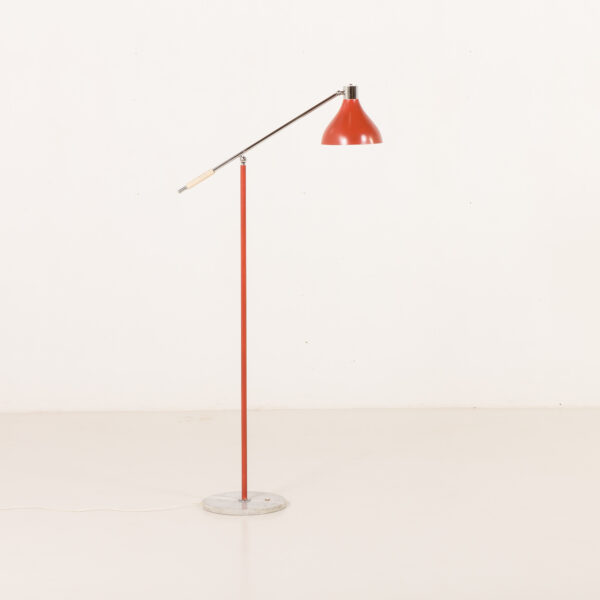
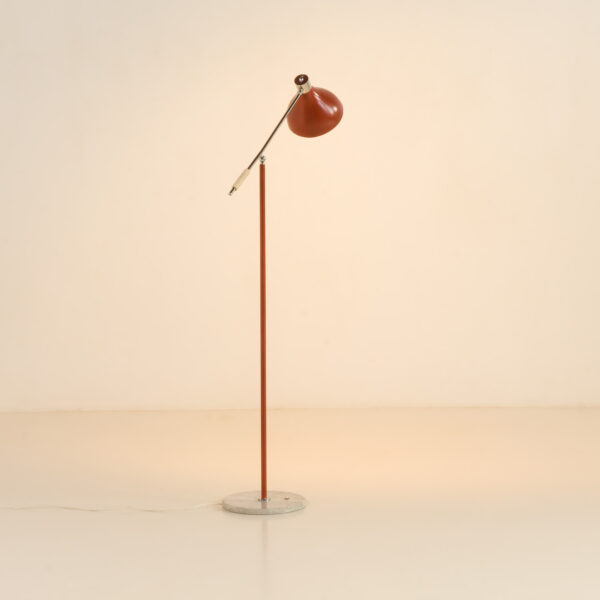
Furniture from the 1970s is distinguished by modularity and versatility. Wall shelving systems could be freely configured, and lighting systems were designed for flexible light direction. This was the era when ergonomics ceased to be a luxury and became a standard.
Designers in our 1970s furniture collection
Jo Hammerborg (1920–1982)
A Danish master of lighting who led the design department at Fog & Mørup for over two decades (1957–1980). His Alfa wall lamps and Saturn series became symbols of Danish modernism in the 1970s. Hammerborg trained as a silversmith under Georg Jensen, a background reflected in the precision of his designs.
Carl Thore / Sigurd Lindkvist (1916–1999)
A Swedish designer working under a pseudonym for Granhaga Metallindustri. His Trava lamp — composed of concentric aluminum rings — is one of the most recognizable examples of Scandinavian lighting from the 1970s, produced in multiple colors and sizes.
Poul Henningsen (1894–1967)
Henningsen is a legendary Danish lighting architect and creator of the three-shade system that eliminates glare. His PH 5 lamp (designed in 1958 and continuously produced since) can be found in nearly every Danish home. Lighting pieces from the 1970s are often characterized by the distinctive patina of brass elements.
Flemming Agger
An architect and designer who, in 1979, created the Model 368 floor lamp for Le Klint — to this day the best-selling floor lamp in the company’s history. The combination of a steel structure with Le Klint’s hand-folded shades is the essence of Danish craftsmanship.
Ox Art
A Danish ceramic collective collaborating with furniture manufacturer Trioh. Their tables with hand-painted ceramic tiles combine brutalist forms with artistic finishes. Each piece is signed, with many examples dated between 1973 and 1978.
Vistosi
An Italian glass manufacturer with traditions dating back to the 16th century, which under the direction of Luciano Vistosi (1931–2010) became a leader in avant-garde lighting. Our „Fiocchi di Neve” chandeliers consist of hand-blown glass discs that create a dynamic interplay of light and shadow.
The 1970s and mid-century modern
Although mid-century modern formally ends around 1969, the 1970s represent a natural continuation of the movement — with significant modifications. While mid-century modern celebrated post-war optimism and faith in technology, 1970s furniture design responded to energy crises and growing ecological awareness. Furniture became heavier, warmer in expression, and more deeply rooted in craft traditions.
Who is 1970s furniture for?
Furniture from the 1970s works perfectly in interiors that combine eclecticism with warmth. Teak shelving complements both minimalist arrangements and richer, maximalist spaces. For collectors, these pieces represent an attractive investment.
Authenticity and restoration of 1970s furniture
Every piece of furniture in our collection undergoes authenticity verification — we check manufacturer labels, characteristic construction details, and material quality. Restoration of 1970s furniture includes professional cleaning, filling of losses, and conservation of wooden surfaces. We preserve original patina wherever it enhances the value of the object.
 English
 Polish
 French
 German