

60s design
Bold, Playful, and Forward-Thinking
The 1960s marked a radical shift in interior design. Moving away from the refined elegance of the 1950s, this decade embraced bold colors, futuristic forms, and a sense of creative freedom. It was a time of optimism and experimentation – reflected in organic shapes, plastic innovations, and modular furniture that challenged traditional aesthetics.
Pop art influences, graphic patterns, and vibrant tones defined the spirit of the era. From space-age lighting to sleek Scandinavian seating, 60s design blended function with fun, simplicity with statement. Italian and Scandinavian designers led the way with iconic pieces that remain highly collectible today.
Whether you’re drawn to sculptural armchairs, geometric shelving, or statement lighting, 1960s interiors offer a playful and confident look that still feels fresh.
Looking to bring the spirit of the 60s into your space? Explore our curated collection of authentic vintage pieces that capture the energy and innovation of the decade.
- Sorry, this product cannot be purchased.
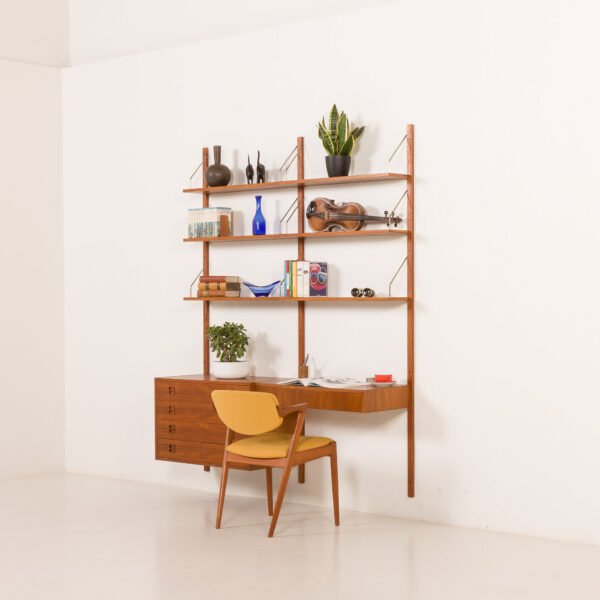
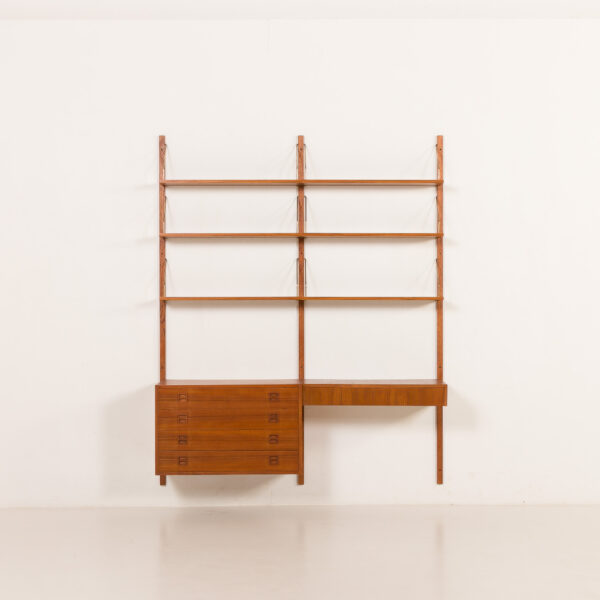
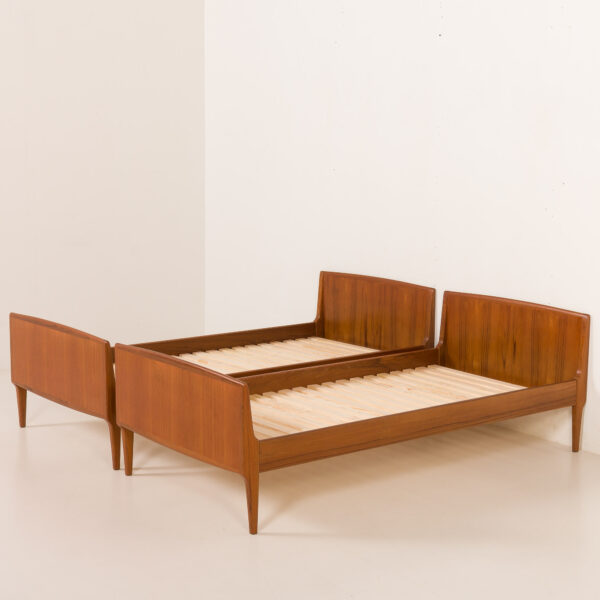
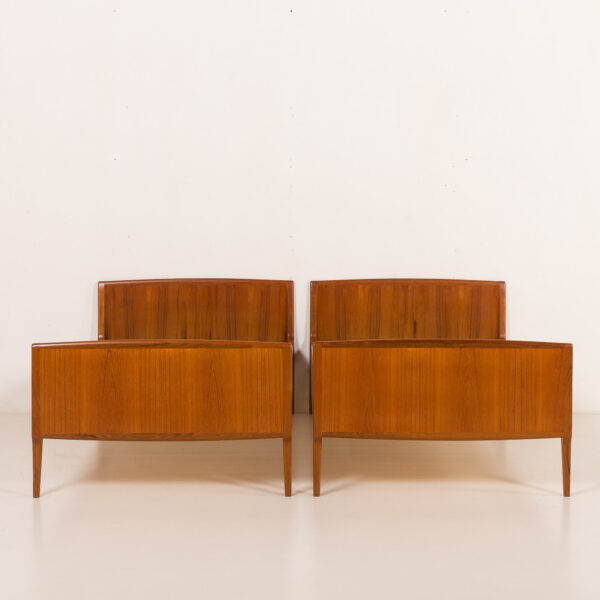
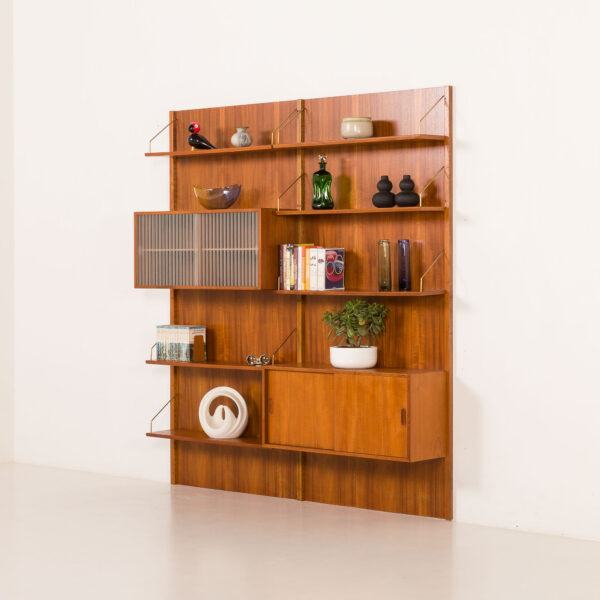
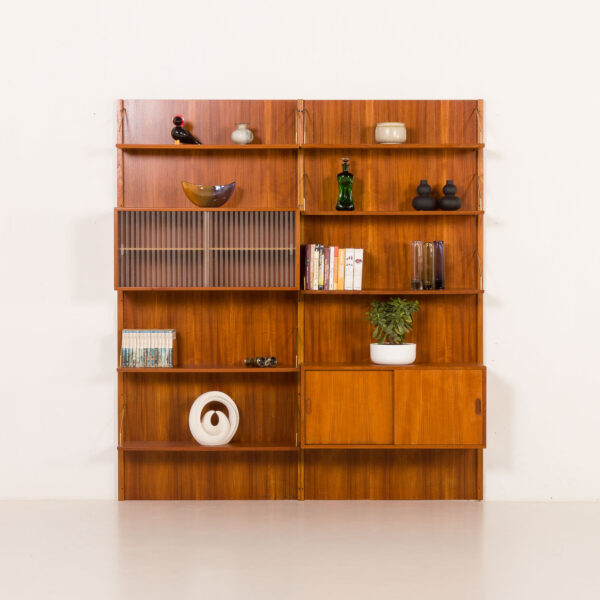
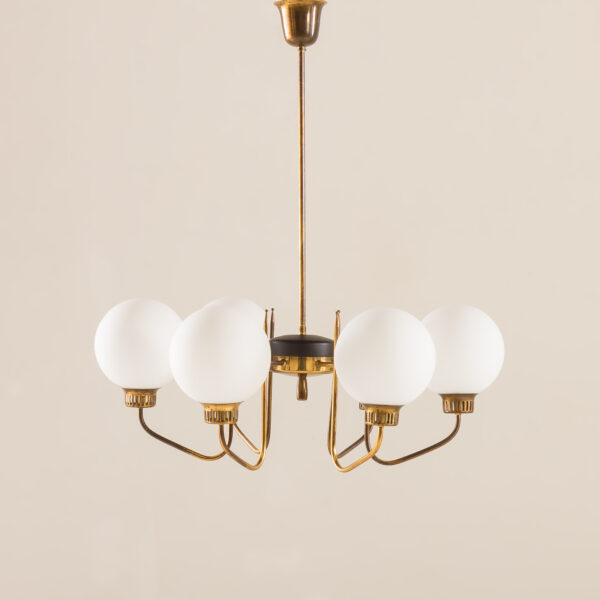
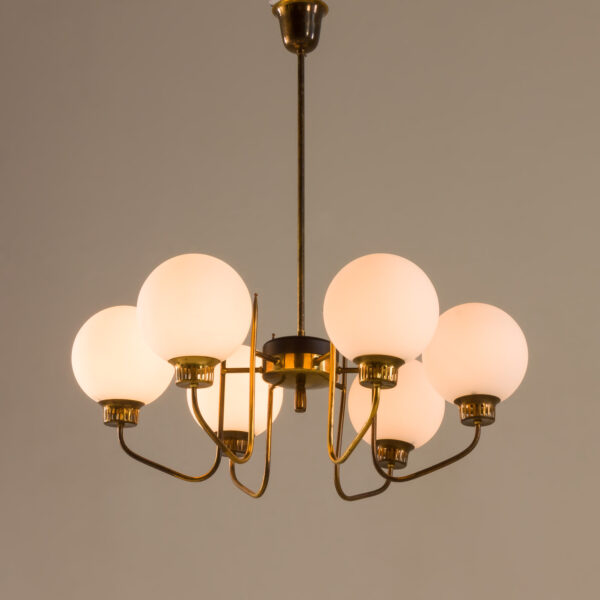
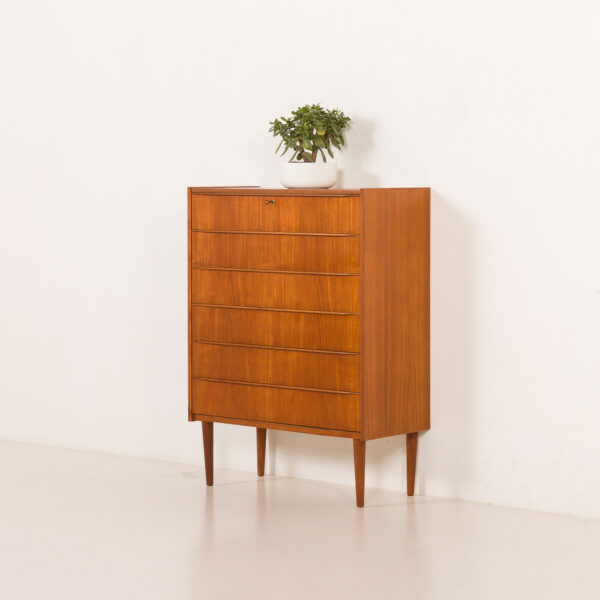
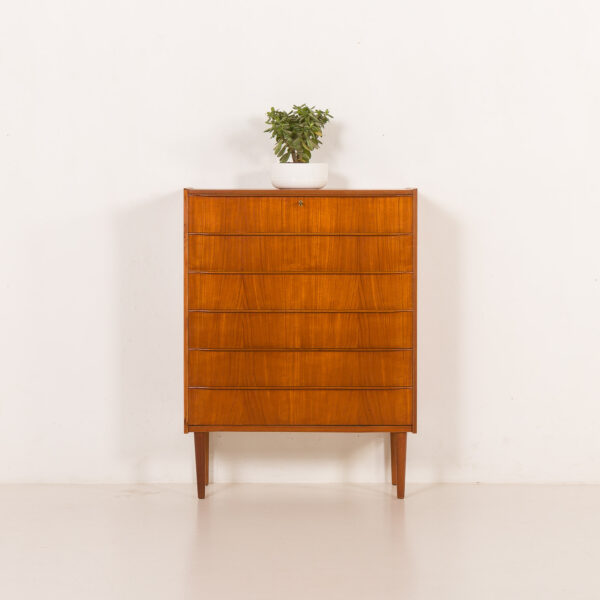
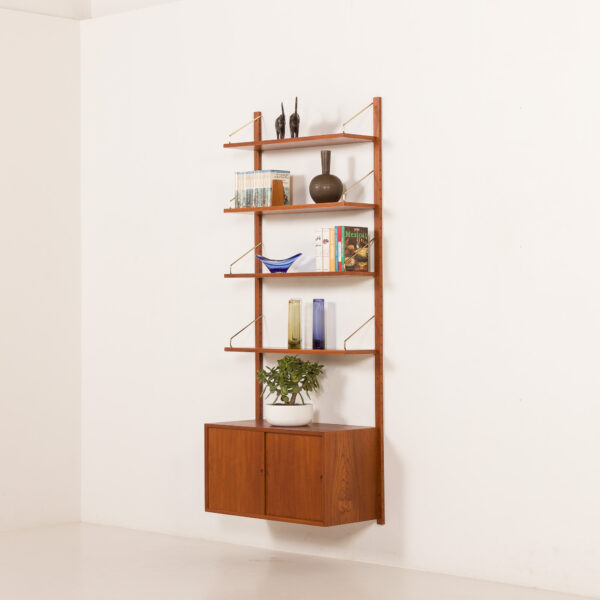
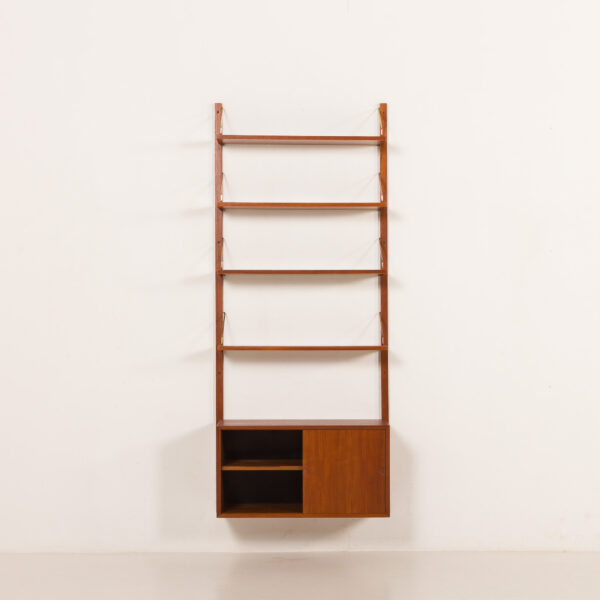
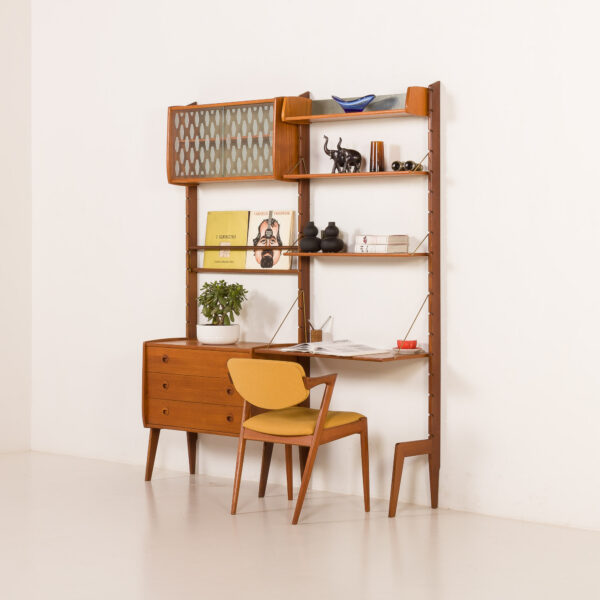

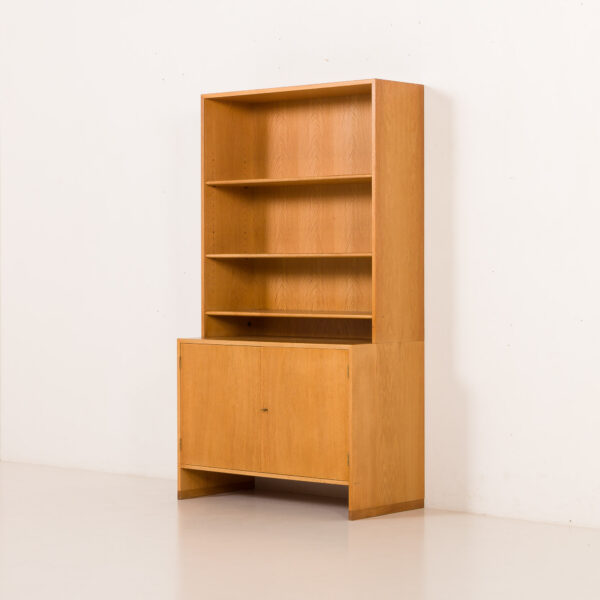
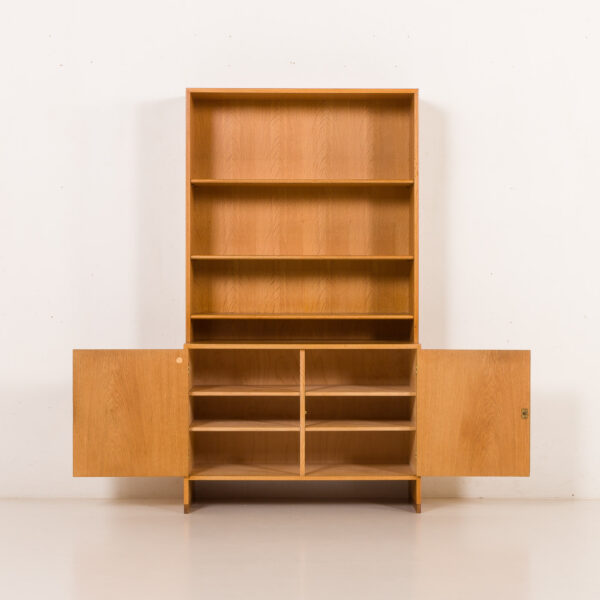
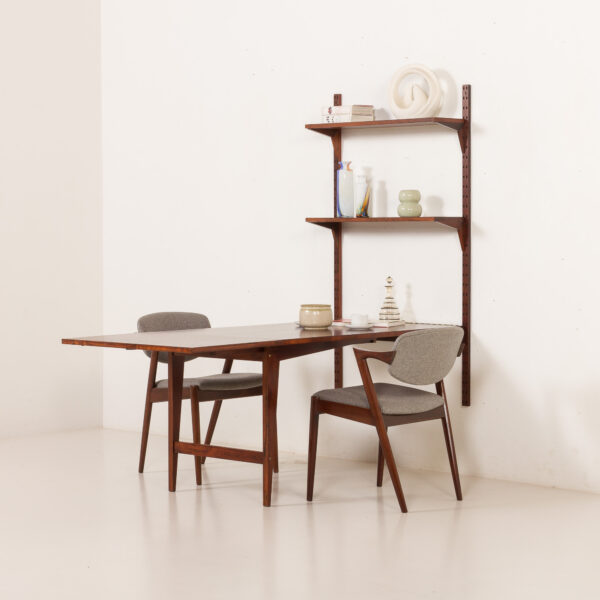
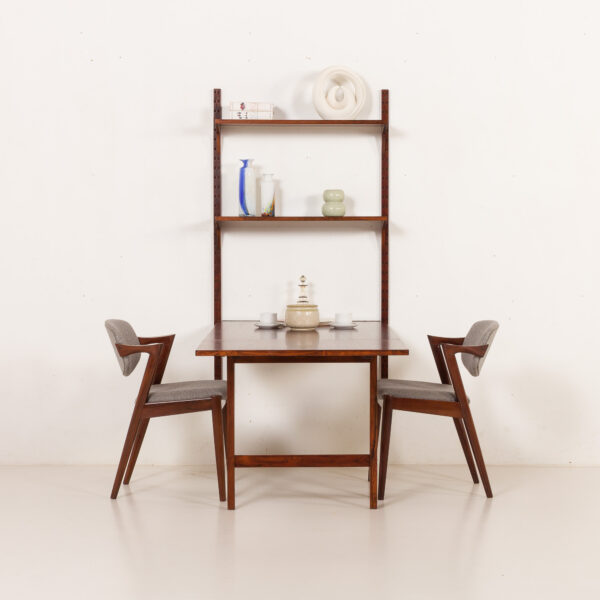
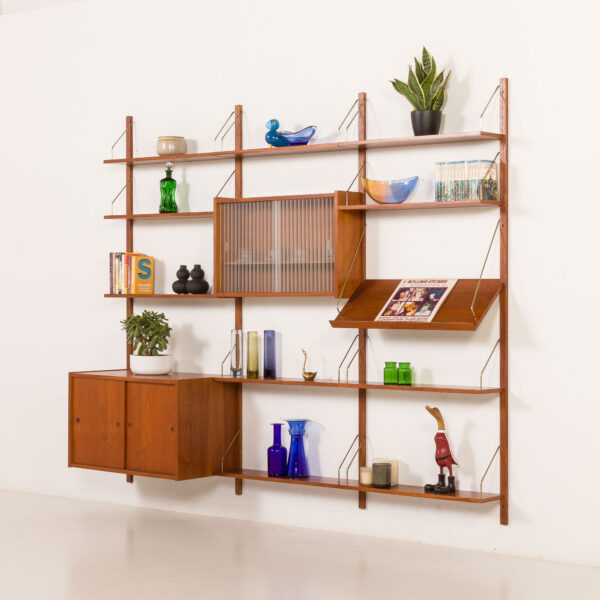
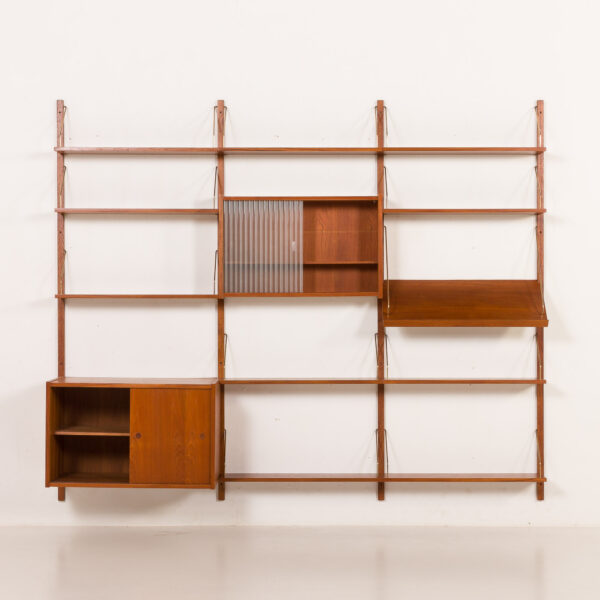
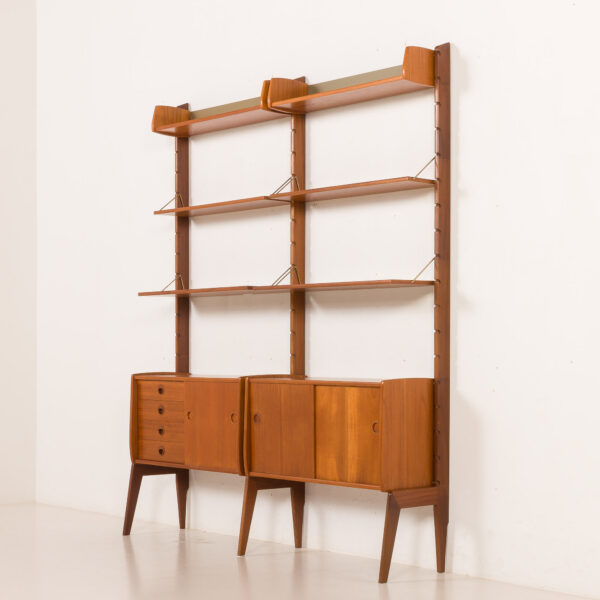
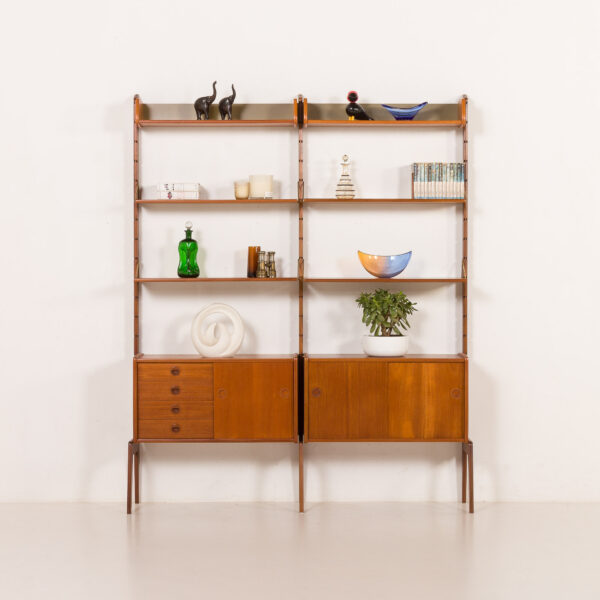
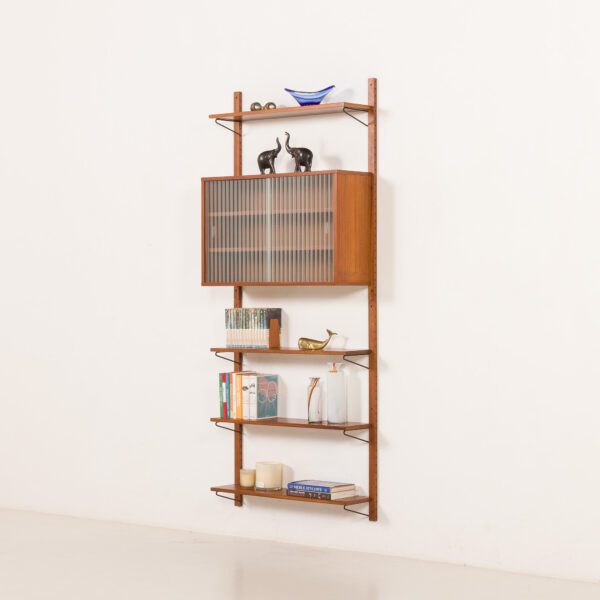

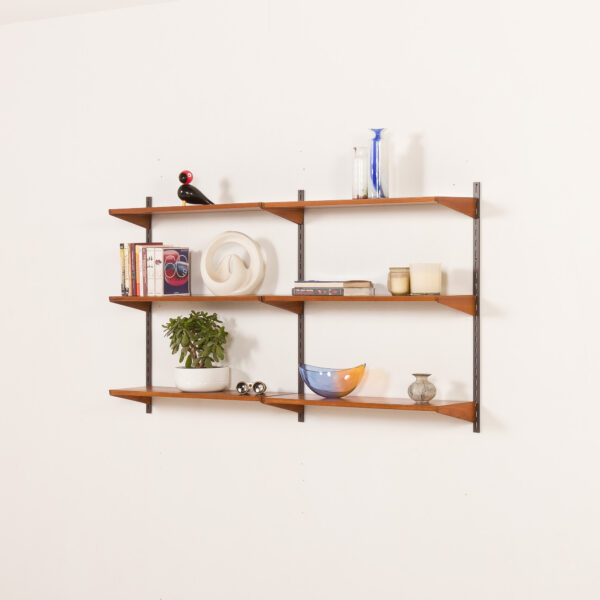
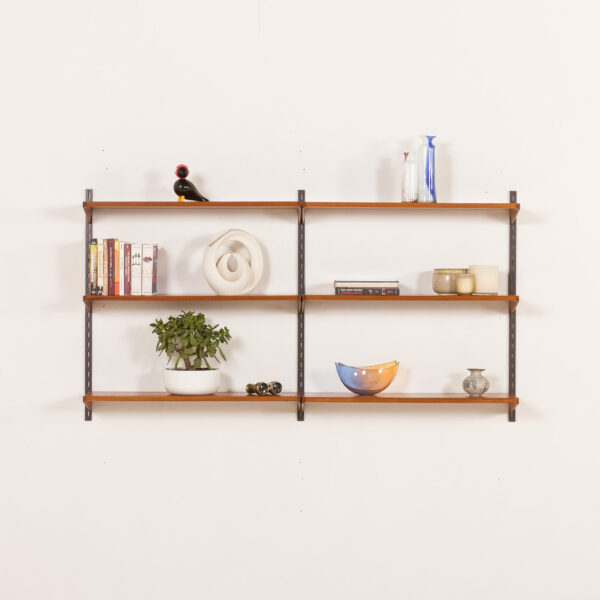
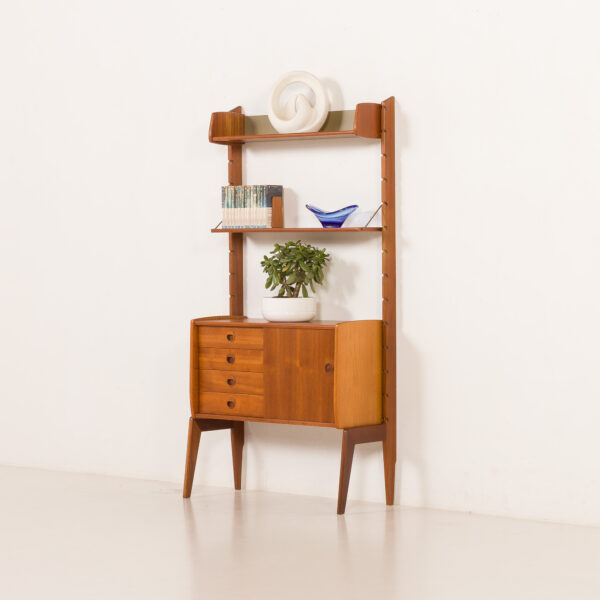
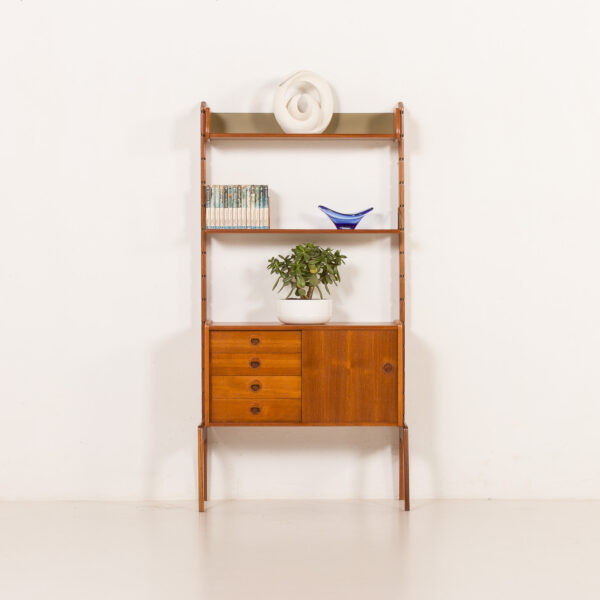
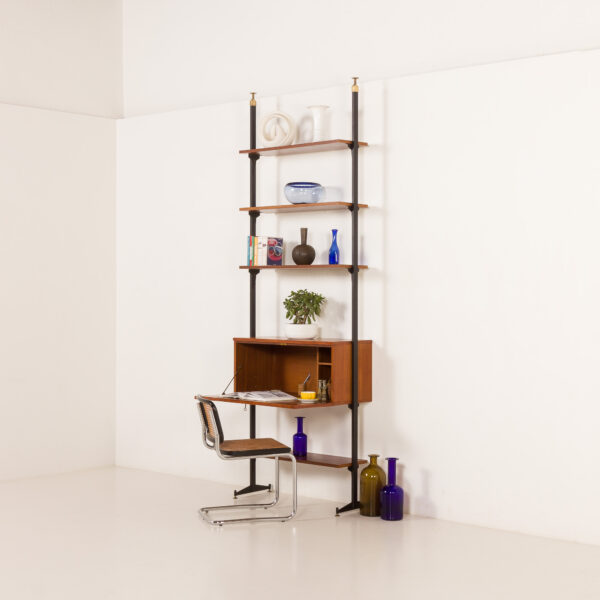
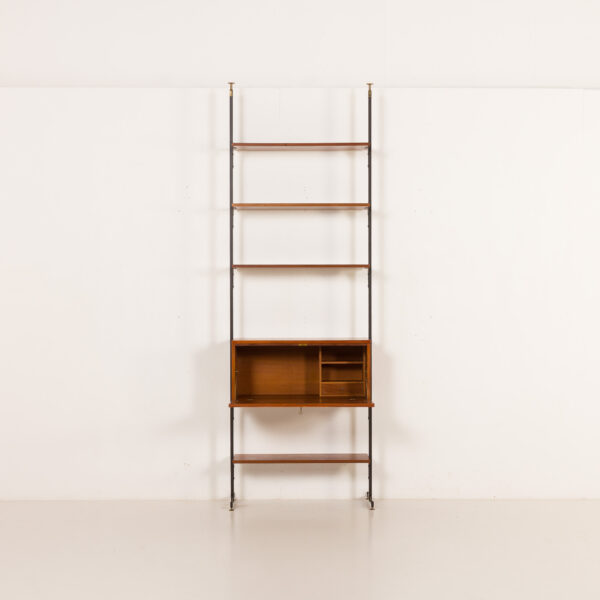
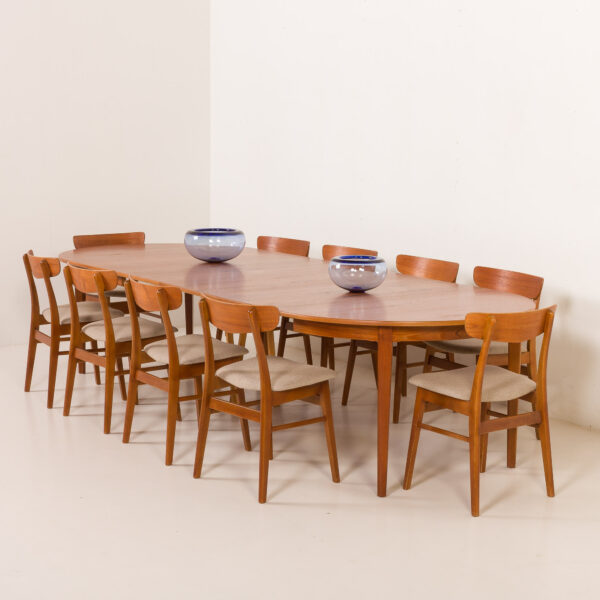
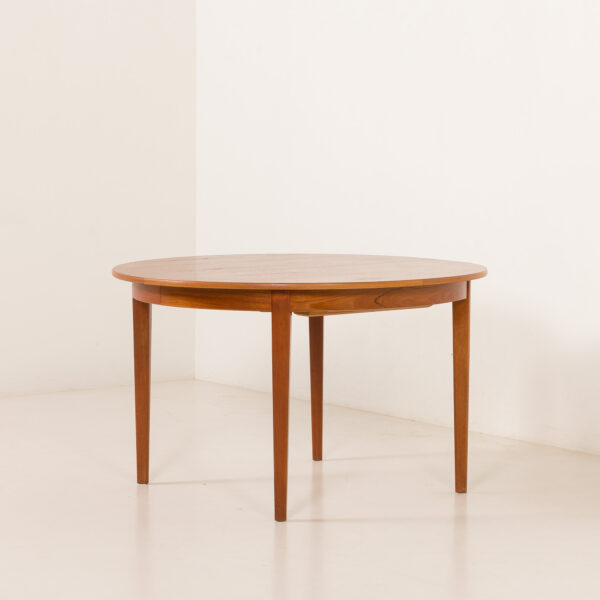
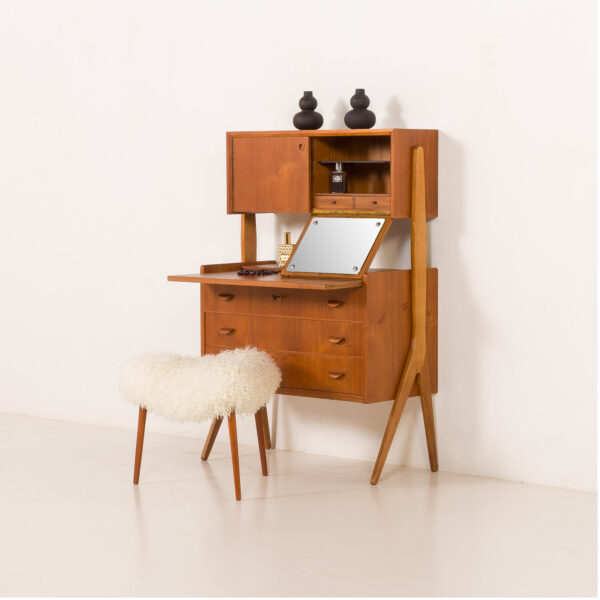
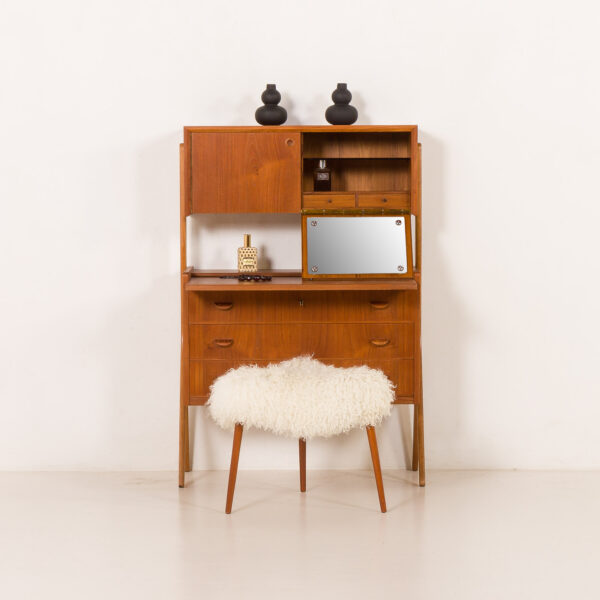
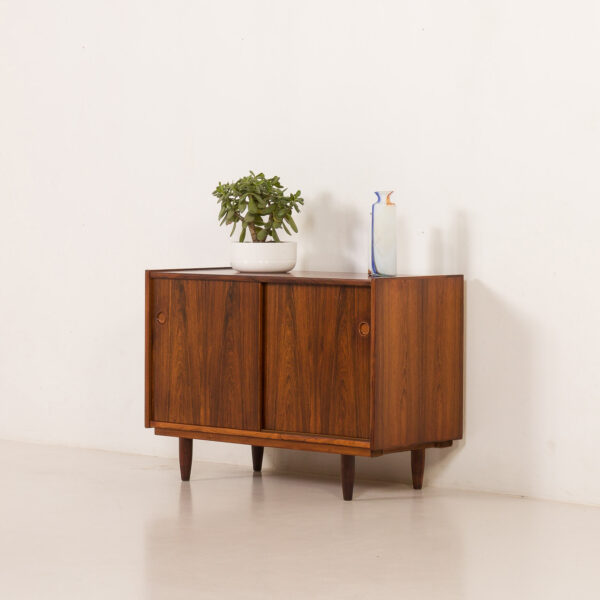
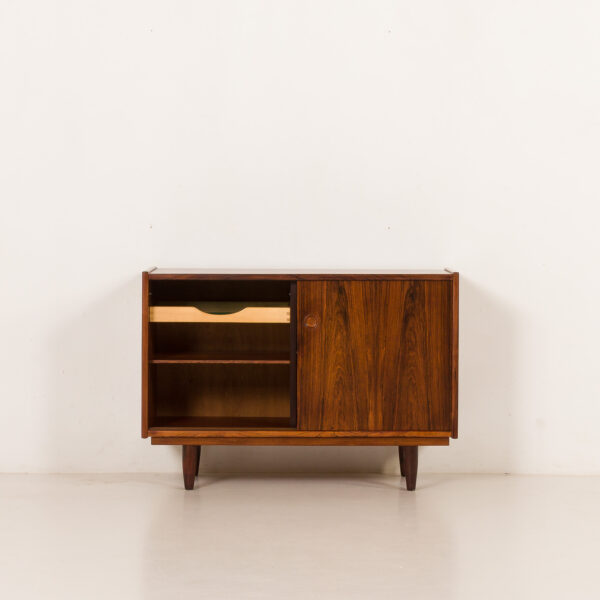
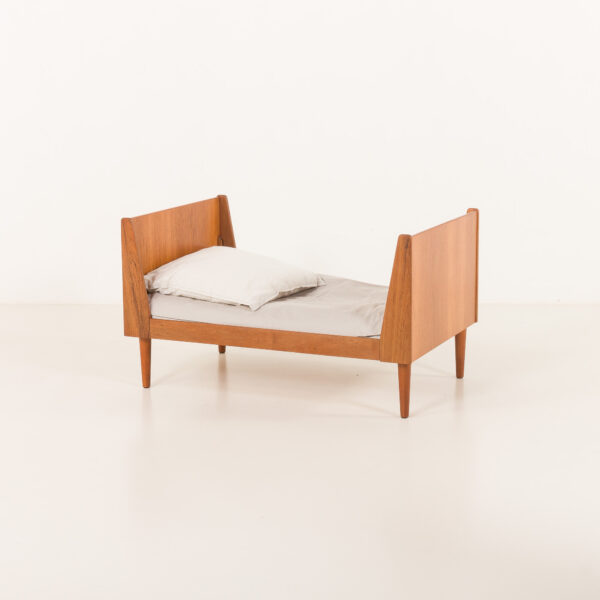
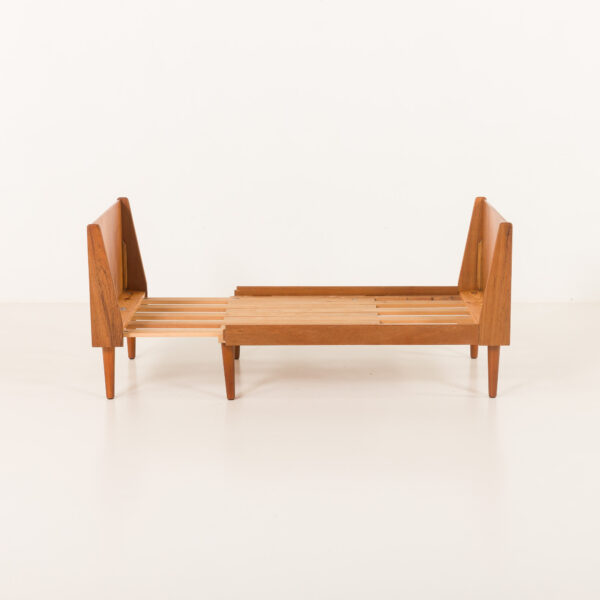
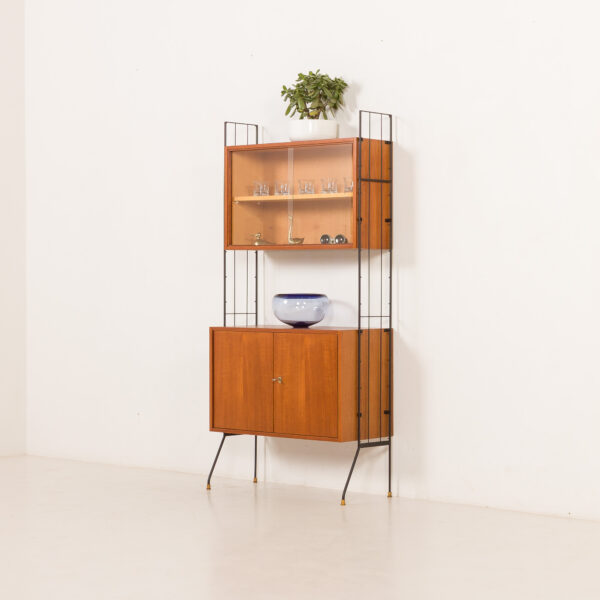
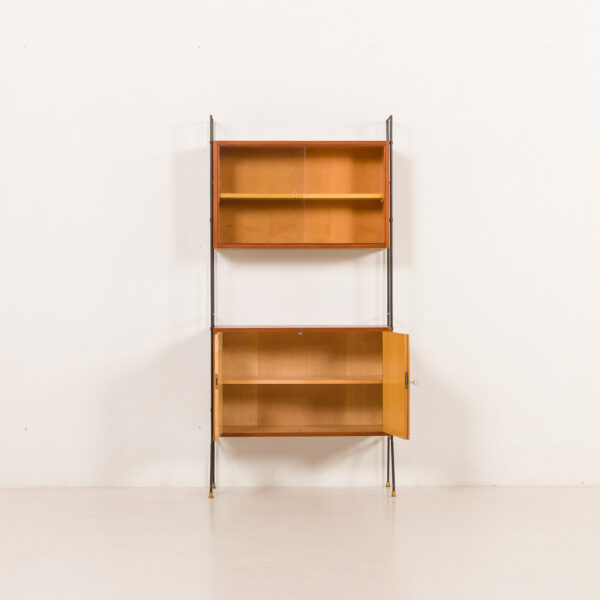
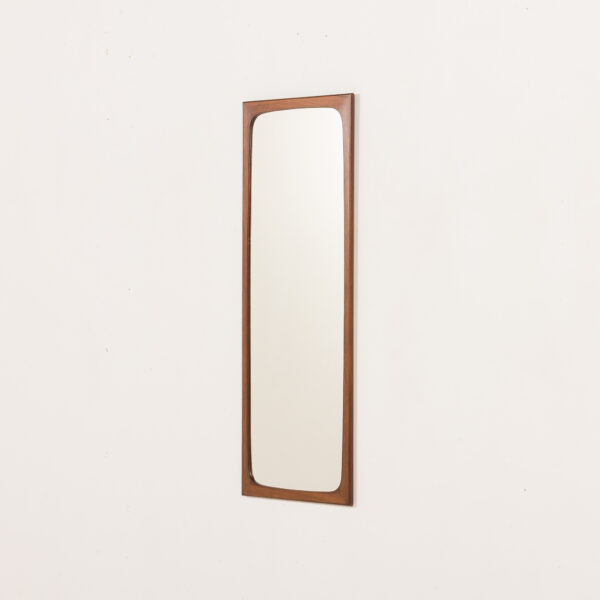
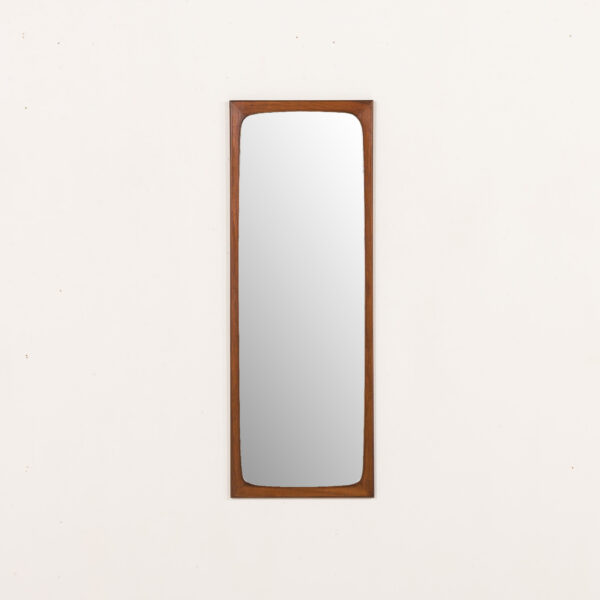
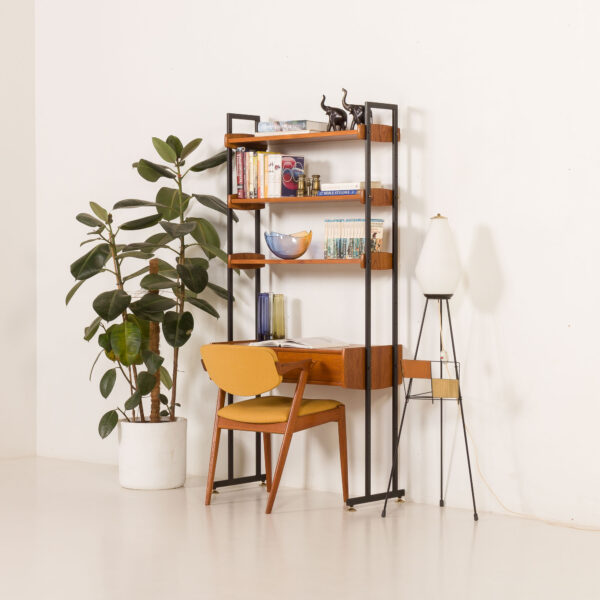
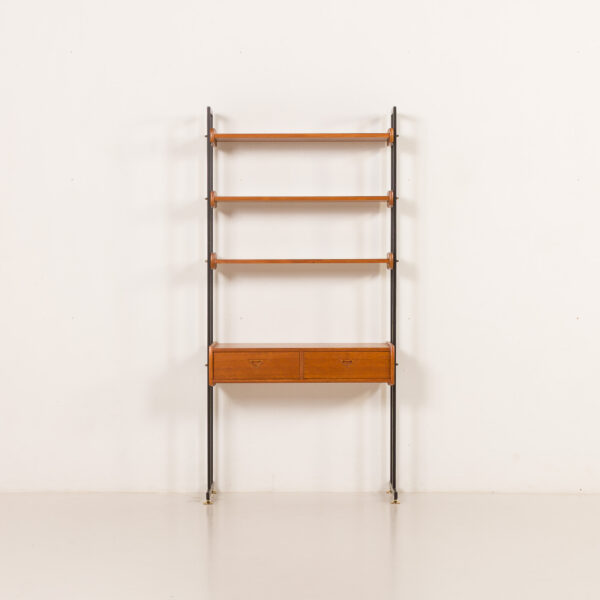
Furniture of the 1960s
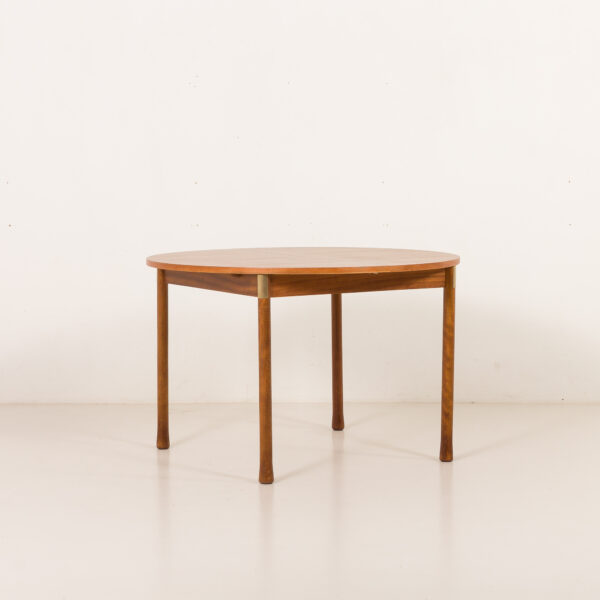
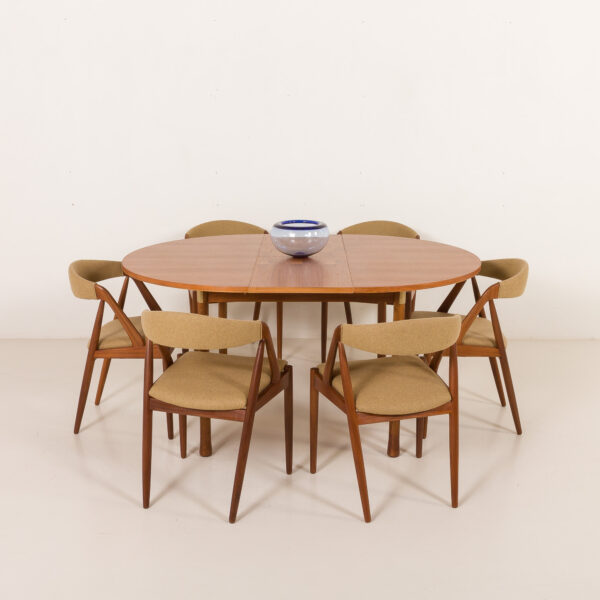
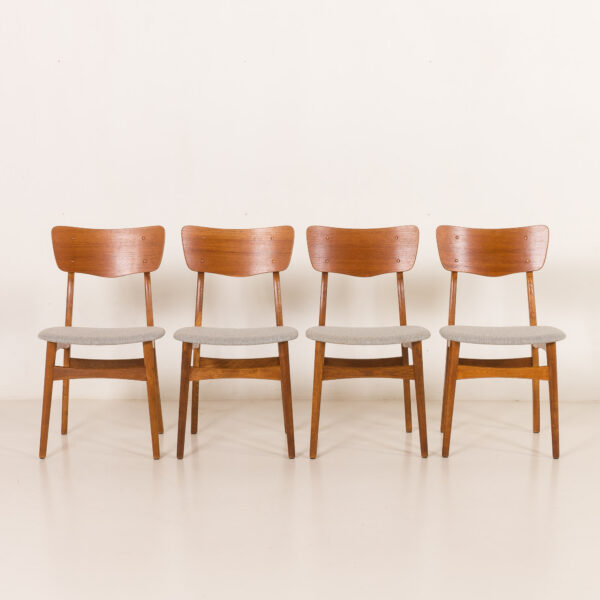
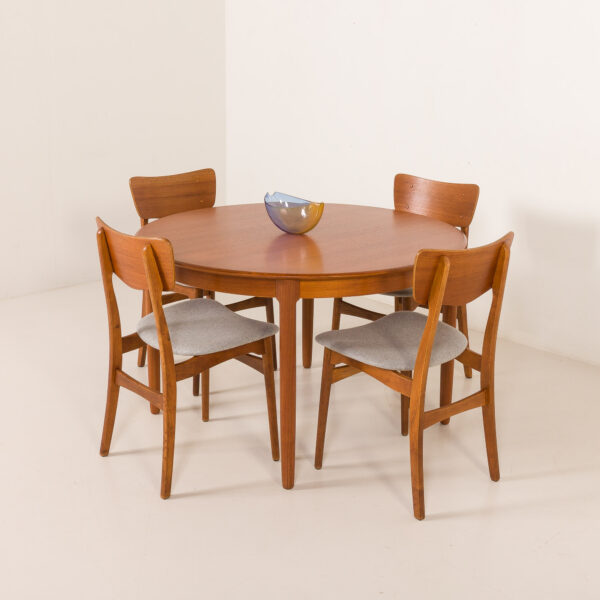
The 1960s marked the peak of mid-century modern, a decade in which Scandinavian and Italian designers created furniture that is now considered iconic examples of 20th-century design. At Futureantiques, we offer original pieces from the years 1960–1969, including Danish shelving systems, chairs, and desks made of teak wood, as well as Italian lamps and sideboards that set global design trends.
It was a decade of stylistic contrasts. On one hand, Scandinavian restraint, the warmth of wood, organic forms, and craftsmanship of the highest quality. On the other, Italian temperament, experimental shapes, bold colors, and a fascination with new materials.
Our collection brings together both of these movements.
What distinguishes furniture from the 1960s?
- Teak wood as the dominant material — Scandinavian designers used Burmese teak and rosewood for their warm tones, durability, and noble grain.
- Modular systems — Shelving systems by Poul Cadovius (Royal System) and John Texmon (Ergo) revolutionized storage with flexible configurations adapted to different spaces.
- Ergonomics and comfort — Chairs by Kai Kristiansen (Model 42) and Hans Wegner were designed with the human body in mind, featuring curved backrests and perfectly balanced proportions.
- Italian avant-garde — Lamps by Stilnovo and Arteluce, and furniture by Ico Parisi for MIM, featured bold forms inspired by the Space Age.
- Pop Art and Space Age — Intense colors, geometric patterns, and futuristic forms, especially visible in lighting design (chandeliers, Murano glass lamps).
Designers featured in our 1960s furniture collection
- Poul Cadovius (1911–2011) — Danish designer and creator of the legendary Royal System, the first wall-mounted shelving system that could be freely configured. Produced by Cado from 1948, it reached peak popularity in the 1960s.
- Kai Kristiansen (b. 1929) — One of the most important Danish furniture designers. His Model 42 chair from 1957 became an icon of the 1960s, recognizable for its distinctive “elbow” armrest construction and perfect ergonomics.
- Hans J. Wegner (1914–2007) — Known as the “master of the chair,” author of over 500 designs. In the 1960s, he collaborated with Getama, creating beds and lounge furniture that combined simple forms with exceptional comfort.
- John Texmon (1919–1998) — Norwegian designer, creator of the Ergo system for Blindheim Møbelfabrikk — freestanding shelving units that offered an alternative to wall-mounted systems.
- Ico Parisi (1916–1996) — Italian architect and designer who collaborated with MIM Roma.
- Stilnovo — Legendary Italian lighting manufacturer founded in 1946 in Milan. In the 1960s, it produced lamps that are now icons of Italian design, known for futuristic forms, high-quality materials, and innovative technical solutions.
Who are 1960s furniture pieces for?
Our furniture is chosen by design collectors, interior architects, and individuals who value authenticity and history. Original furniture from the 1960s — especially pieces signed by renowned designers — is an investment, as their value on the collectors’ market continues to grow steadily.
Vintage furniture from the 1960s works beautifully in both modern, minimalist interiors and classic spaces. The warmth of teak wood and timeless proportions ensure these pieces never go out of style.
Authenticity and restoration of 1960s furniture
Every piece of furniture at Futureantiques undergoes an authenticity verification process. We check:
- Manufacturer’s marks and designer signatures
- Consistency with period catalogs
- Characteristic construction details typical of the 1960s
Professional restoration of 1960s furniture restores its original beauty while preserving its authentic character. We use materials consistent with the period, natural oils and waxes for wood. Signs of use are treated as evidence of authenticity, not flaws.
 English
 Polish
 French
 German